Direct access to expert guidance

Ask a Genealogist.

Bring us the ancestor, record, location, DNA match, family story, or research problem that has stopped your progress. The guided intake organizes what you know and sends it directly to Reparative Genealogy for professional review.

Never get stuck again

Your question becomes a research brief.

Choose the type of help you need, identify the family line, describe what you are trying to prove, and securely attach supporting records. A reference number is issued after submission.

Ask a Genealogist
Choose your path

Three clear ways to begin

The homepage now introduces the site. Detailed state resources and project histories live on their own pages.

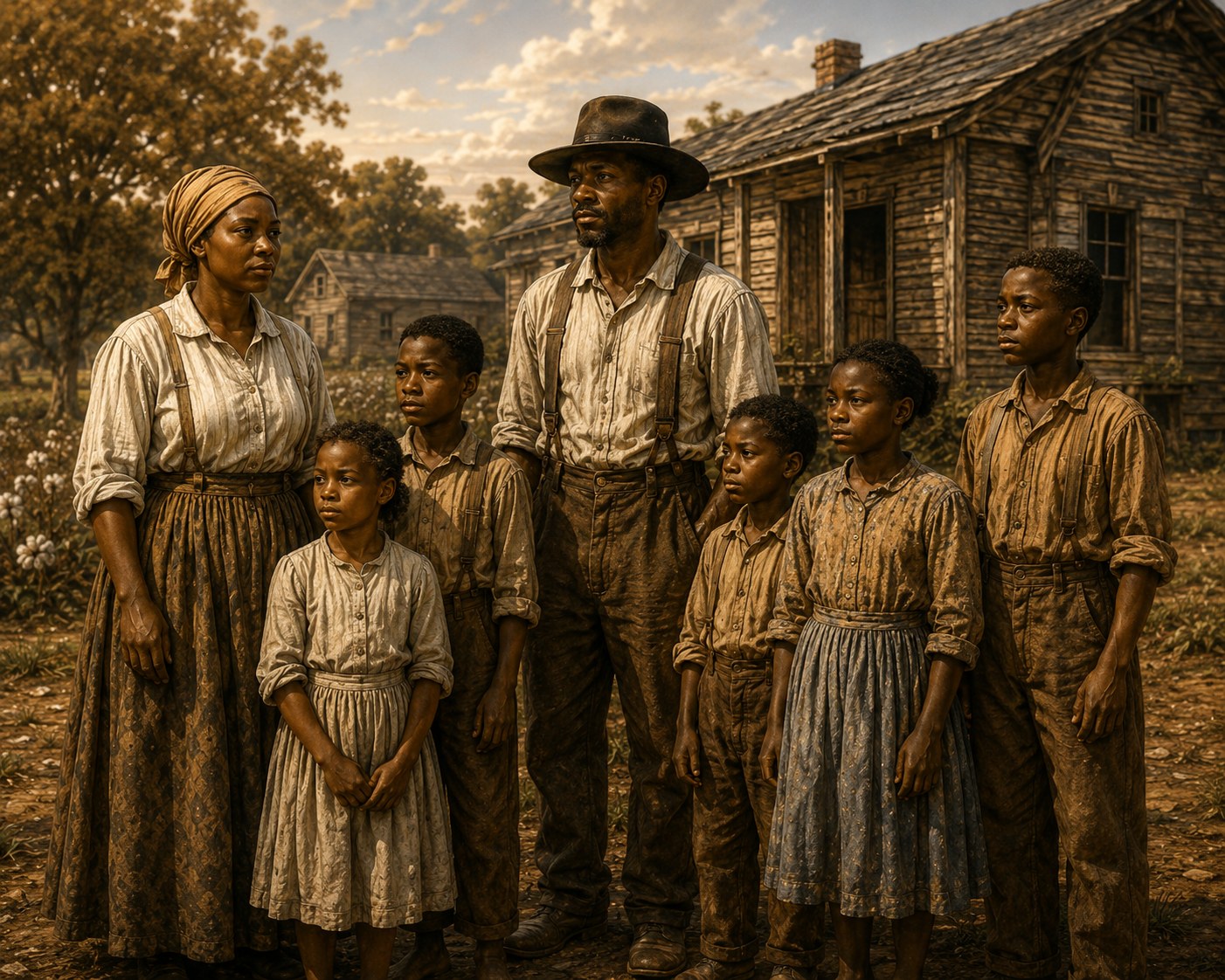
Family standing together before their cabin
Featured case study

Jaunty: A Family Story Recovered from the Law of Slavery

Jaunty Underwood’s story moves from an eighteenth-century deed of gift and South Carolina chancery litigation to emancipation, migration, kinship, and family survival in Greene County, Alabama.

This dedicated landing page places the book and its research where visitors can actually find it.

Enter the Jaunty Project
Begin with the two foundation accounts

Open FamilySearch and Ancestry before you begin deeper research.

These two accounts give you the working family-tree foundation — but they work differently, and knowing the difference saves money and frustration. 👤 FamilySearch is completely free: every record, every image, forever. 👤 Ancestry's account is free — you can build your tree, receive hints, and see what collections exist — but 💲 viewing most record images requires a paid subscription. Many public libraries offer Ancestry Library Edition free 🏛️, so check your library before you buy. The Hub then takes you beyond both platforms into deeds, probate, estate files, courts, tax records, newspapers, churches, and county archives.

New to family research? Start here.

Build Your Research Toolkit

You don't need to buy anything to begin. Assemble these three layers in order — free tools first, then account-based tools, then the subscription and library resources — and you'll have the same working toolkit professional genealogists use.

Layer 1 · 🟢 Free to everyone

The open record portals

No account, no cost. These alone can carry your research from today back to 1870 — and often beyond.

Layer 2 · 👤 Free accounts

The workbench

Free registration unlocks your tree, saved records, and most FamilySearch images.

Layer 3 · 💲 🏛️ Subscription & library

The deep collections

Before paying, ask your public library — many offer these free 🏛️ from library computers.

  • 💲 Ancestry subscription — wills, probate, marriages, military images
  • 🏛️ Ancestry Library Edition — free at many libraries
  • 🏛️ HeritageQuest & Fold3 — ask your library's reference desk
  • 💲 Newspapers.com / GenealogyBank — obituaries & local news
👨🏿‍🏫 Genealogist's Tip

Your first week of research costs nothing: interview your oldest relatives, write down every name, place, and church they remember, then open a free FamilySearch account and find your family in the 1950 census. When you're ready for a state's records, choose it in Research by State — every state page uses the same icons and star ratings you see in the legend above.

The deeper relationship

Become a member of the African American Genealogy Platform.

Go beyond one research question. Members enter a continuing workspace with live help, research planning, AI-guided suggestions, workshops, county resources, cultural collections, educator materials, reparations updates, and community directories.

Member promise

Never get stuck again.

Membership turns the site from a collection of links into an ongoing relationship with guidance, learning, and community.

Version 26 platform preview

Step inside the membership experience.

The Member Portal is now presented as a complete visual website experience with a Research Desk, AI guidance prototype, cultural collections, workshops, county resources, and member research chat.

Built for relationship

Research. Learn. Ask. Return.

The platform gives members a reason to come back: their research project, live help, new workshops, cultural resources, and continuously expanding county collections.

Featured collections

History organized for discovery

Each collection opens independently. Visitors no longer encounter every option on the homepage.