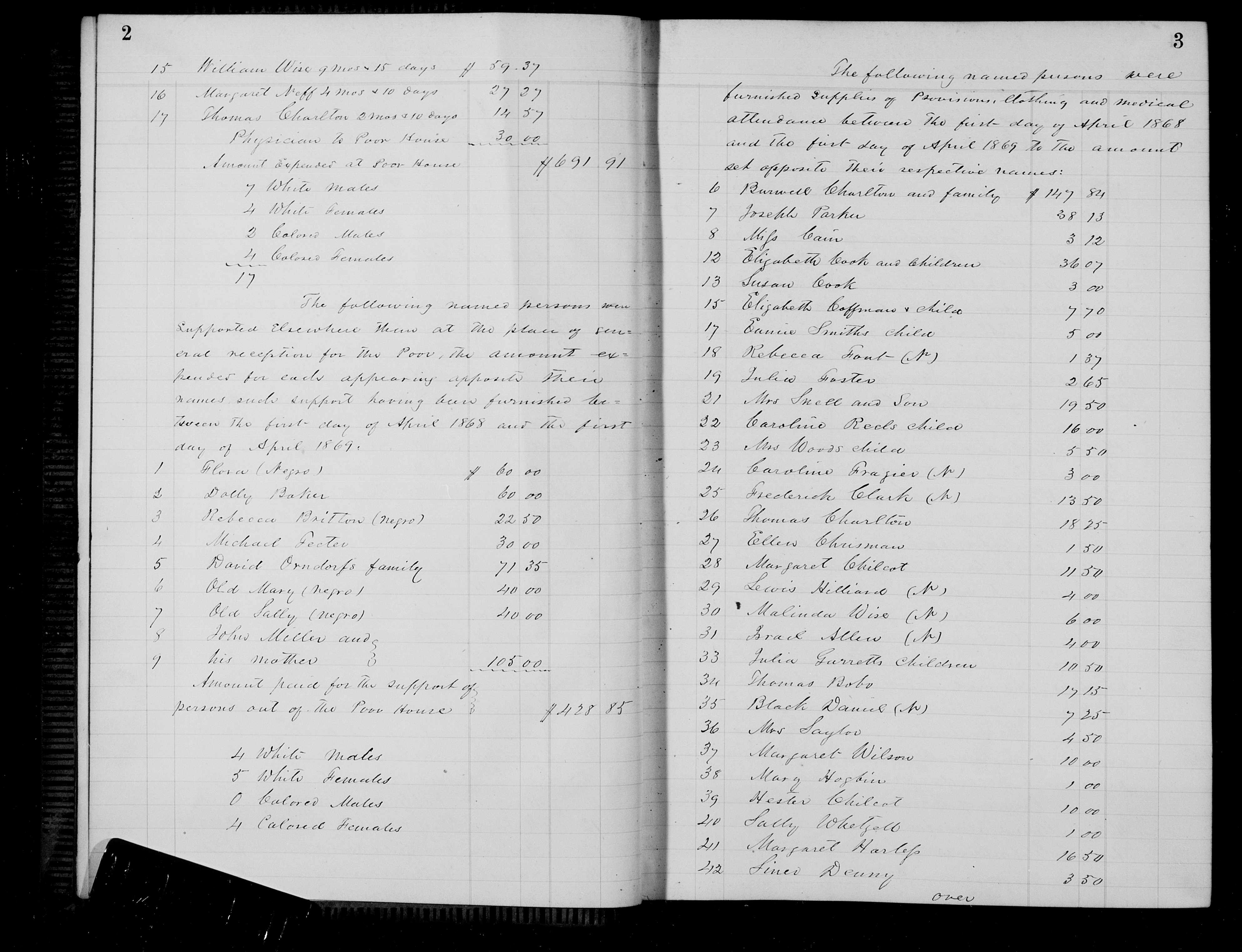
An earlier Fortune appears
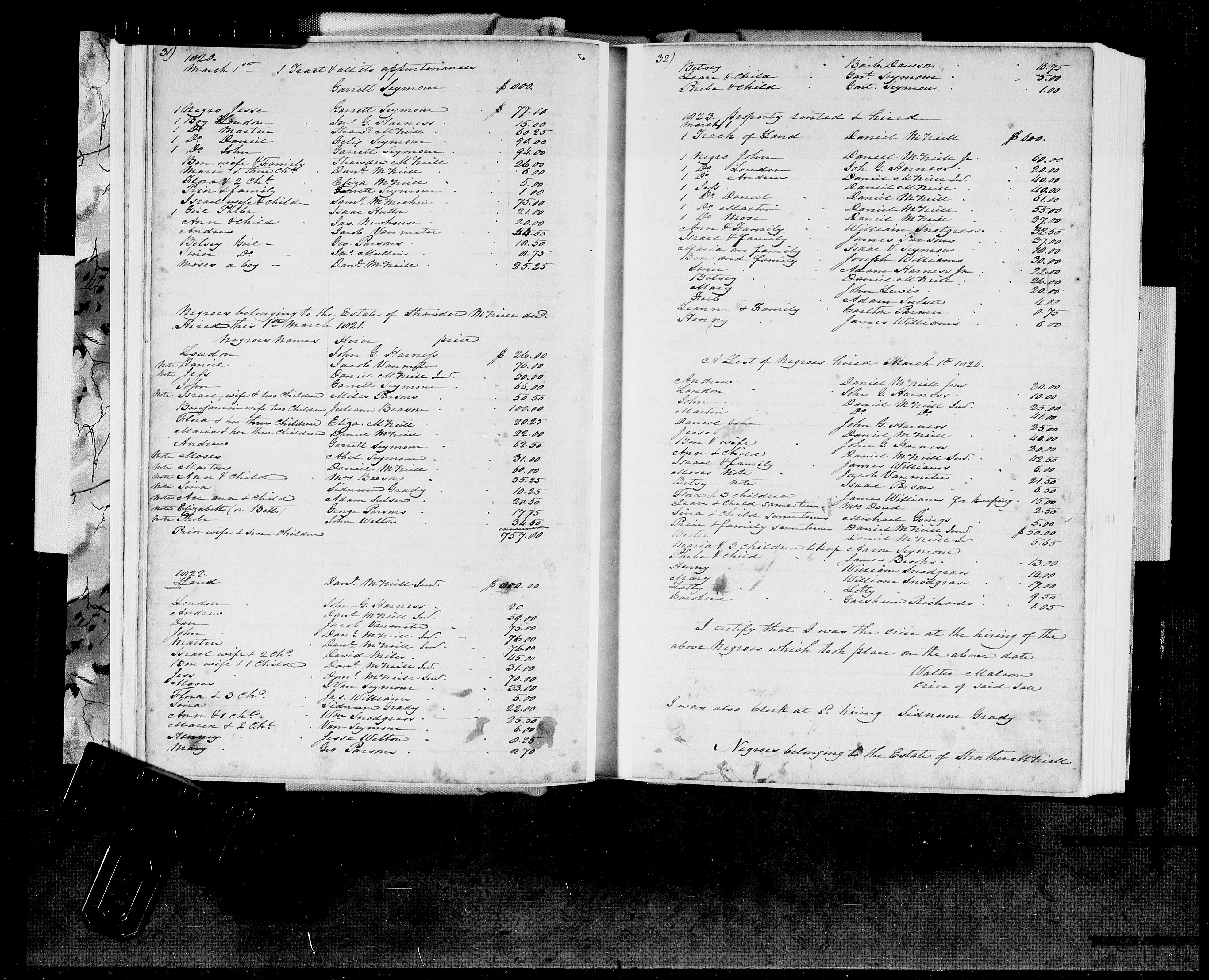
George Lee’s will names an enslaved person called Fortune. This may be an earlier man of the same name and could represent a possible family connection, but it is not yet proven to be Fortune Stewart.
Williamsport, West Virginia · A Family History
From enslavement to freedom, from oral tradition to documented history—this is the recovered story of the ancestors at the beginning of the Stewart family line.
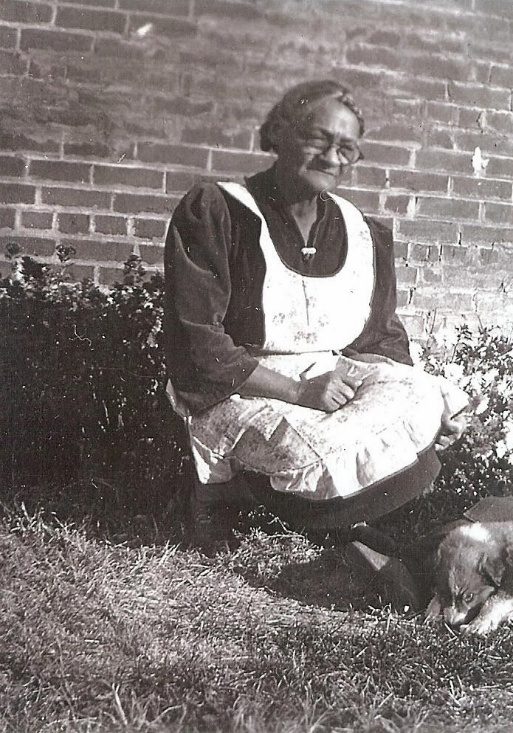
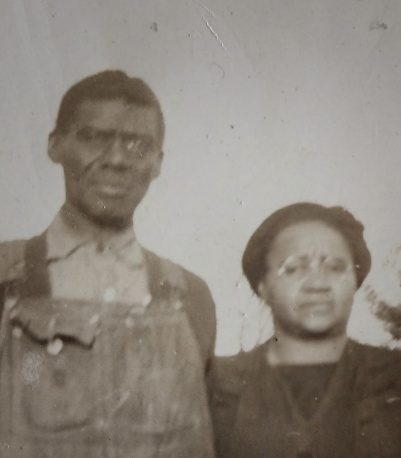
The family’s beginning
Fortune Stewart and Rebecca Payne are the earliest ancestors this family can name. They made their home at Williamsport, in the part of Hardy County that became Grant County in 1866. Sixteen of their children reached adulthood, and five Stewart daughters married five Hilliard brothers, creating a wide network of descendants across West Virginia and beyond.
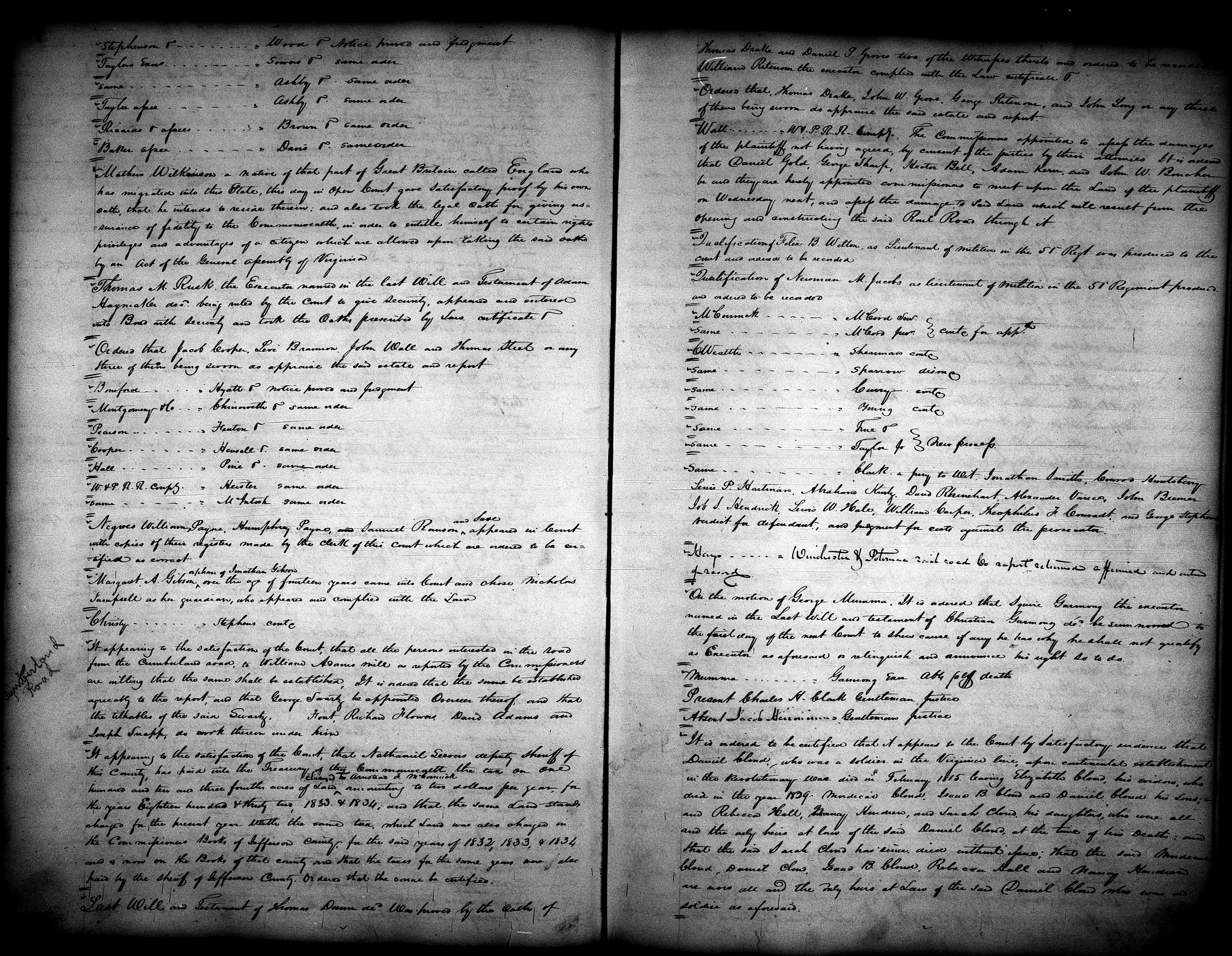
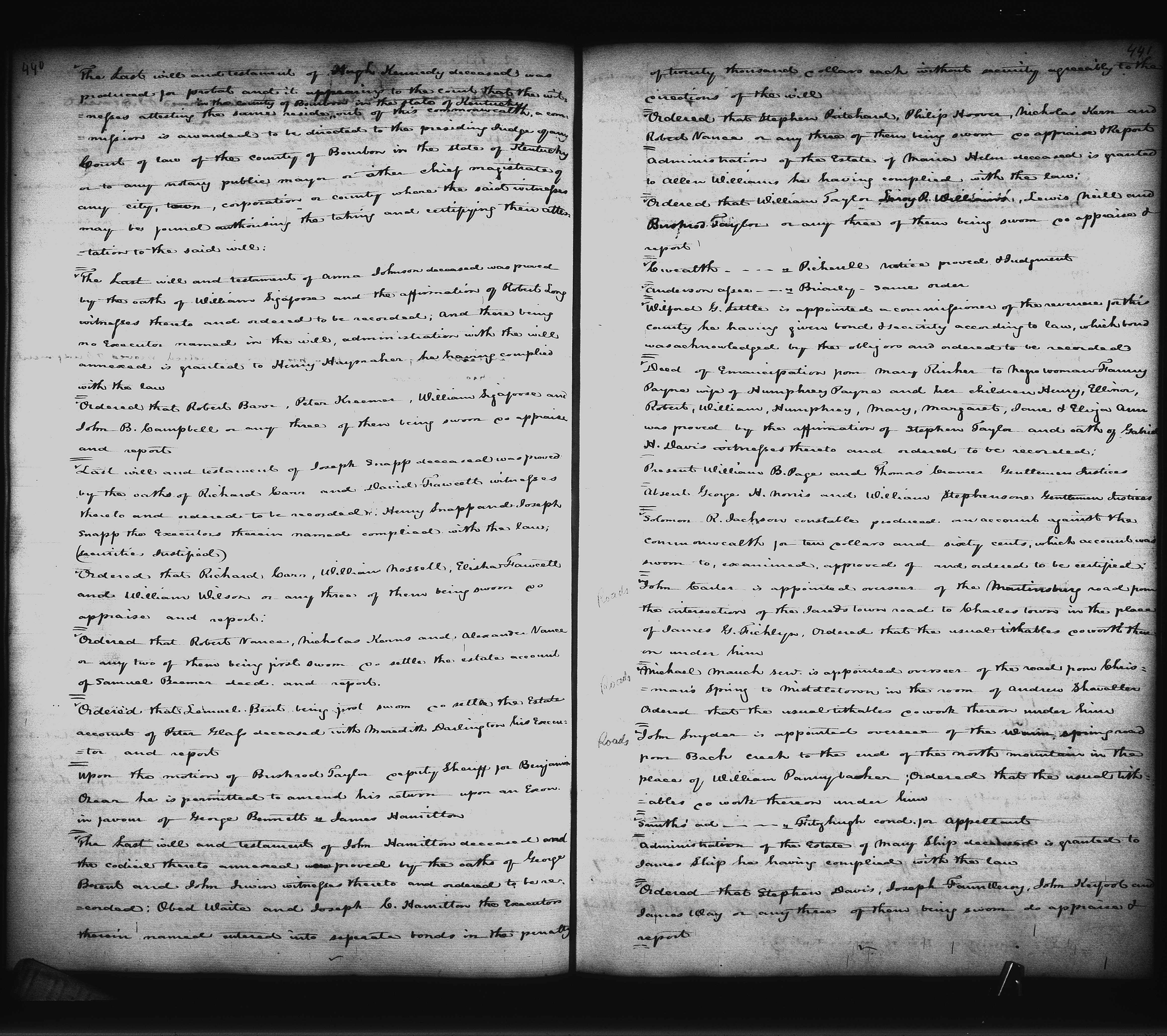
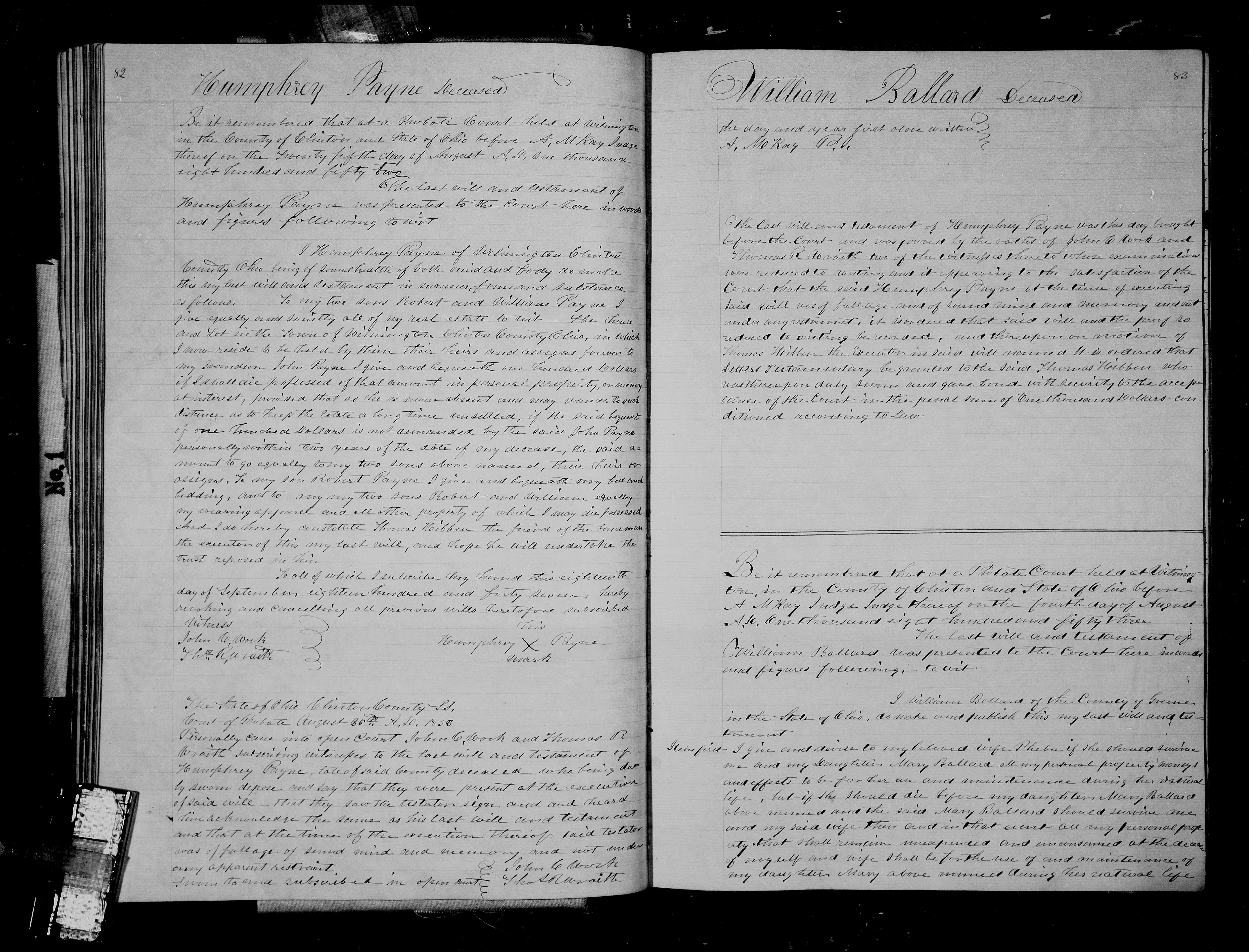
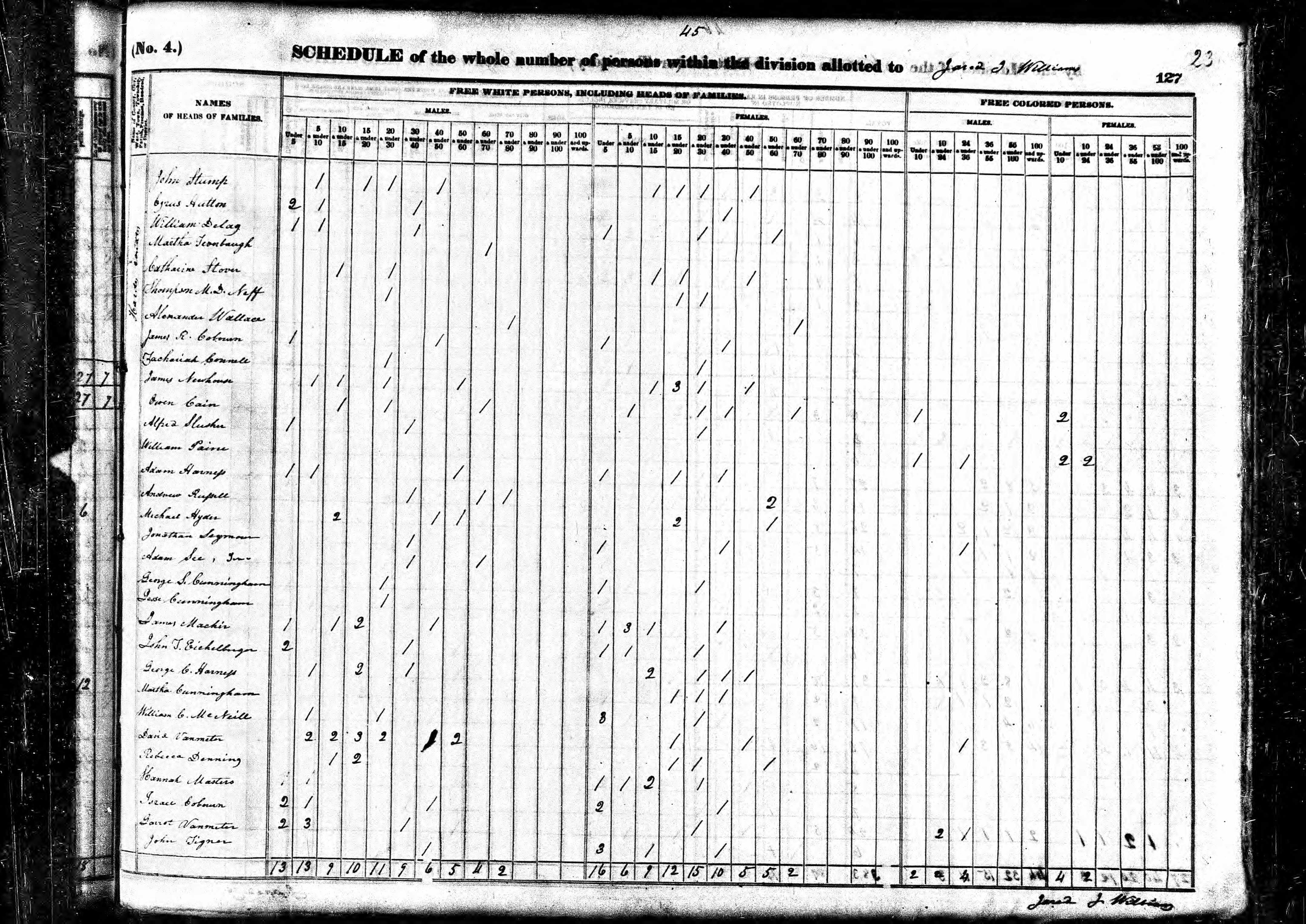
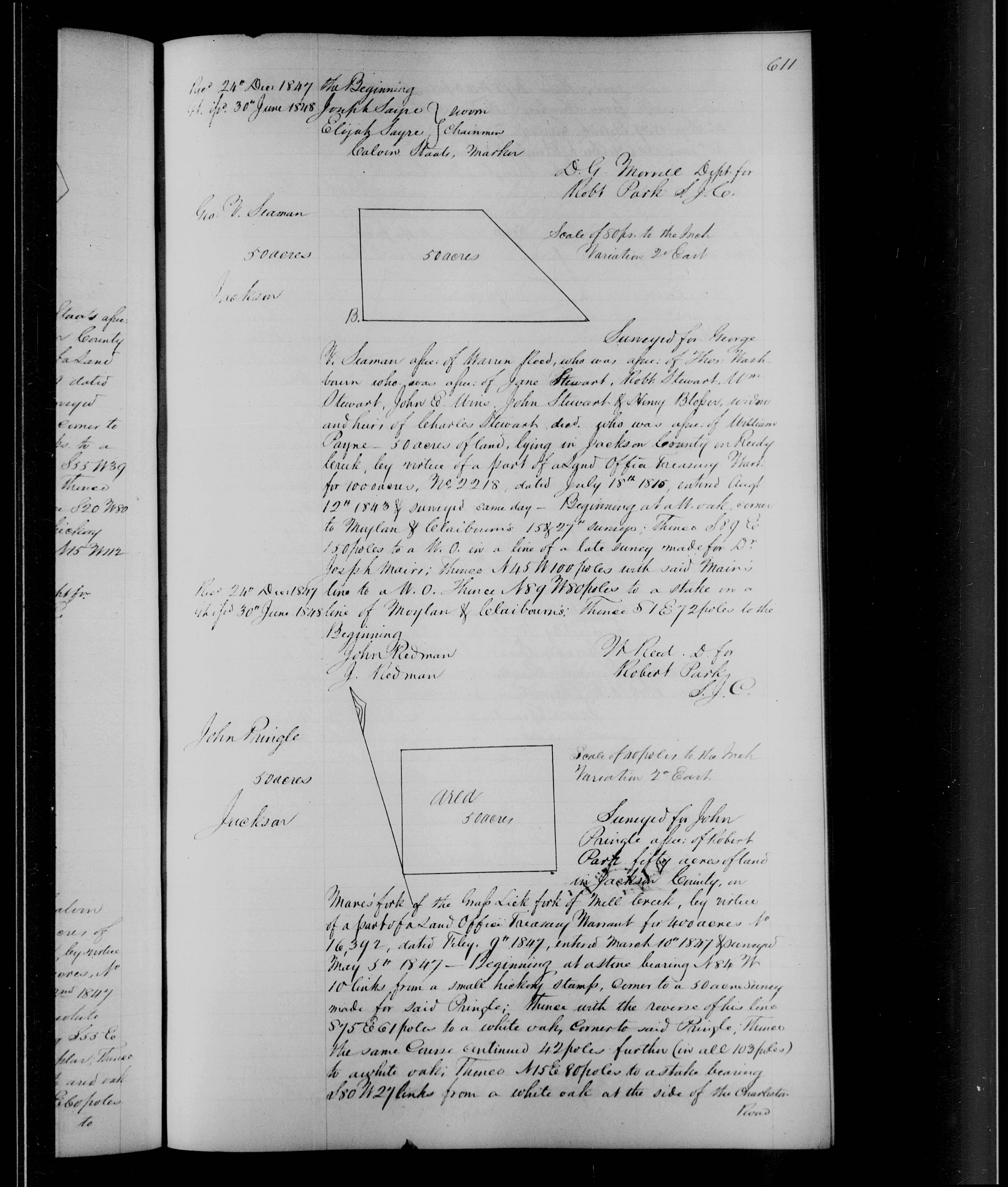
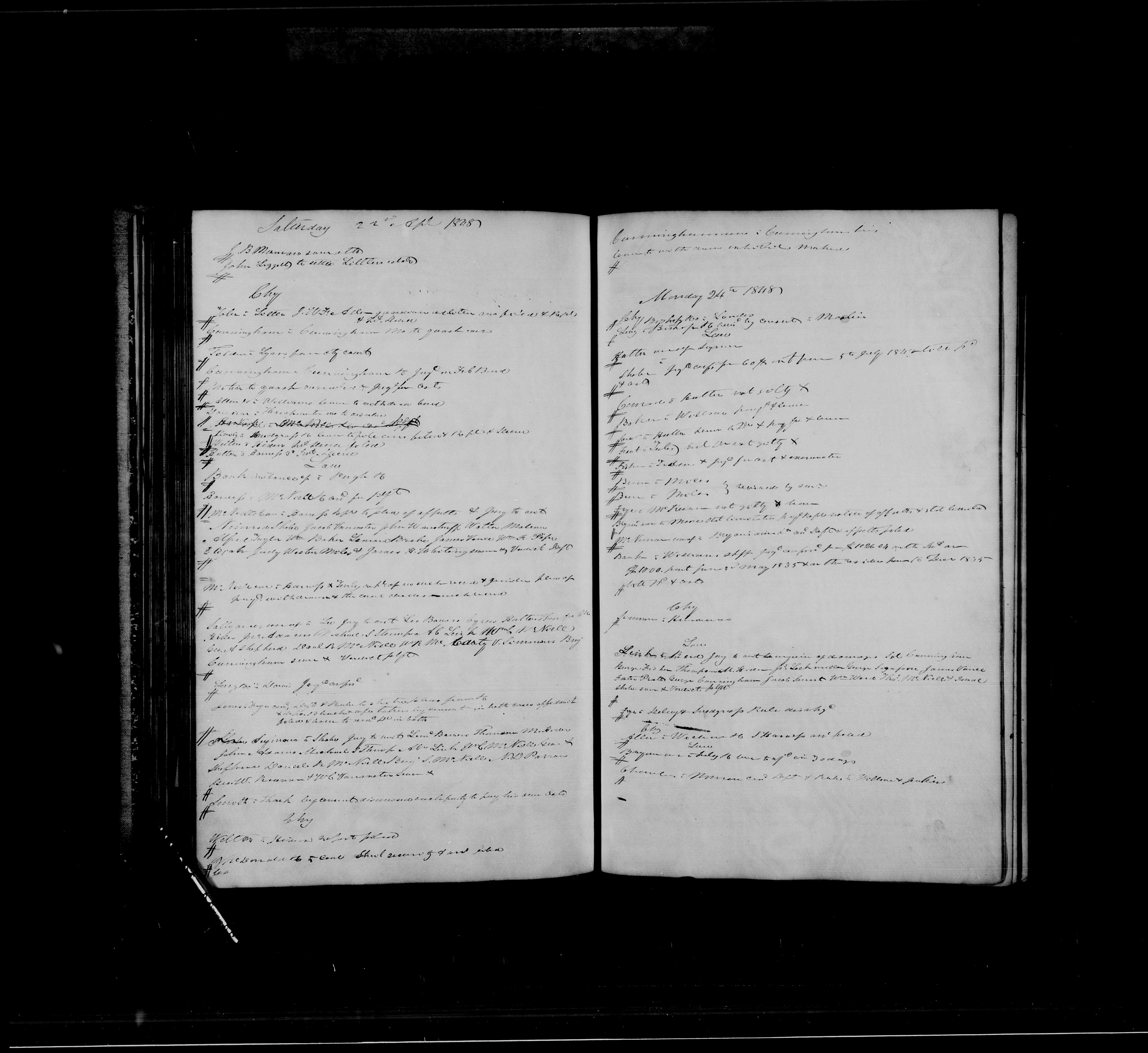
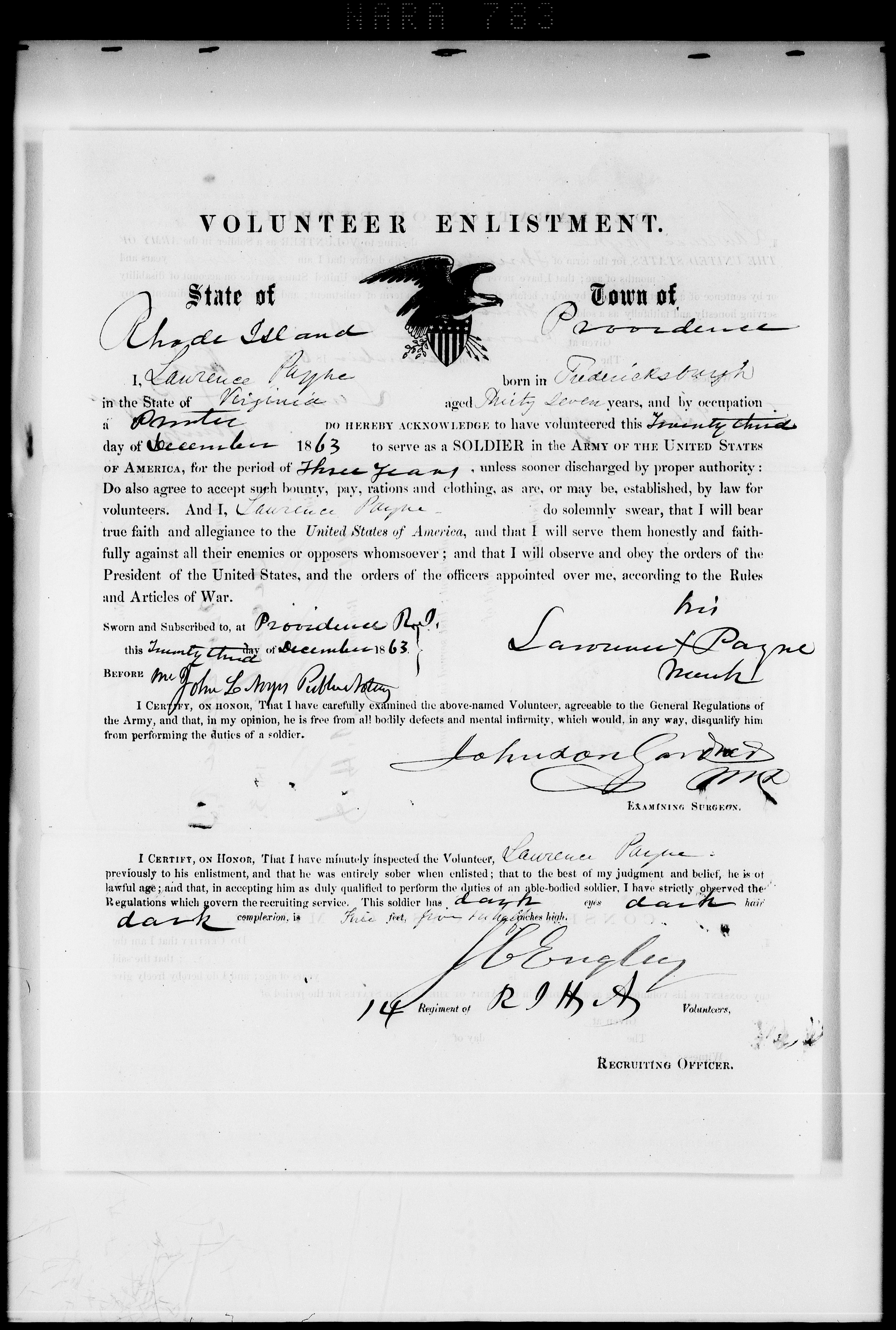
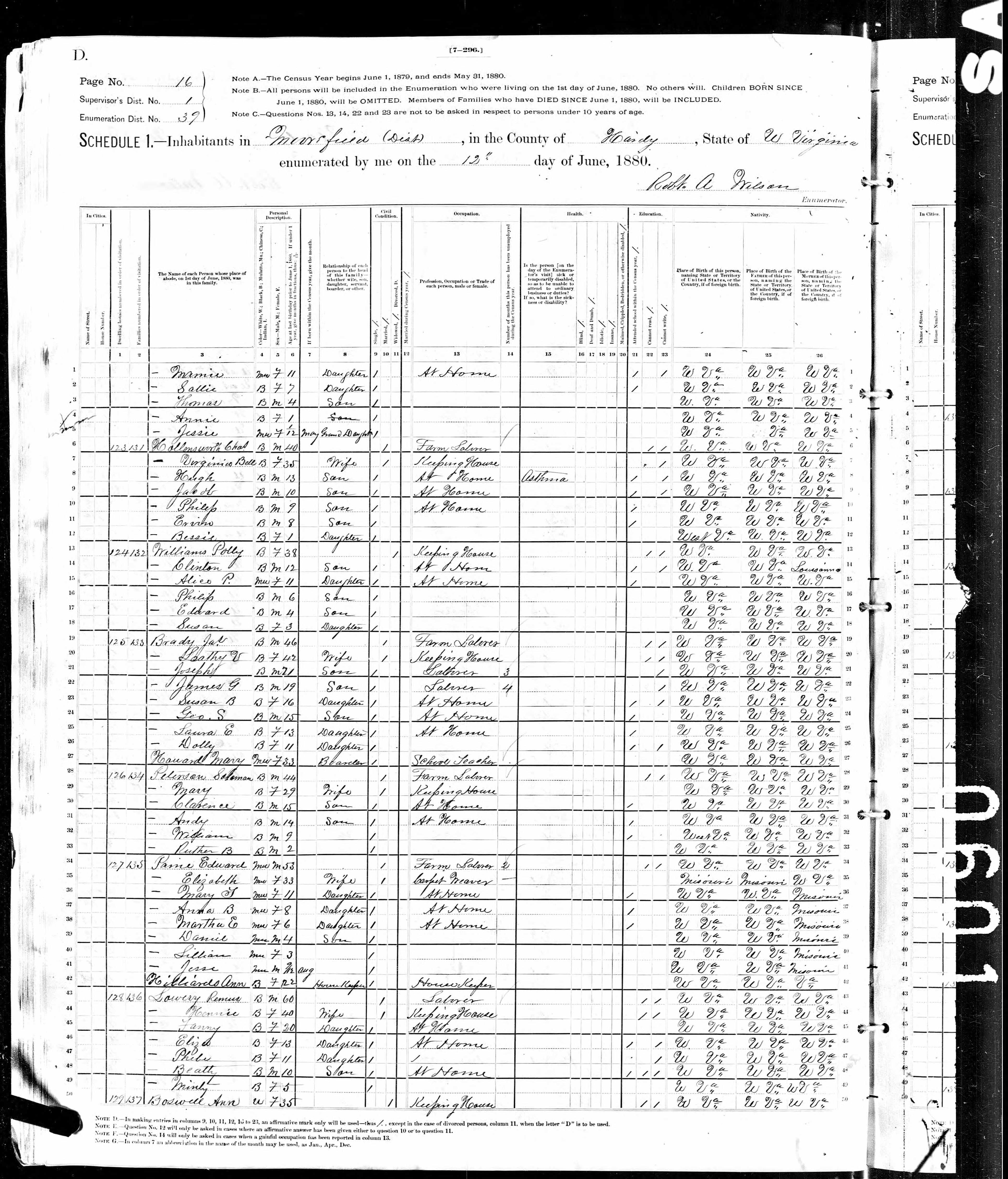
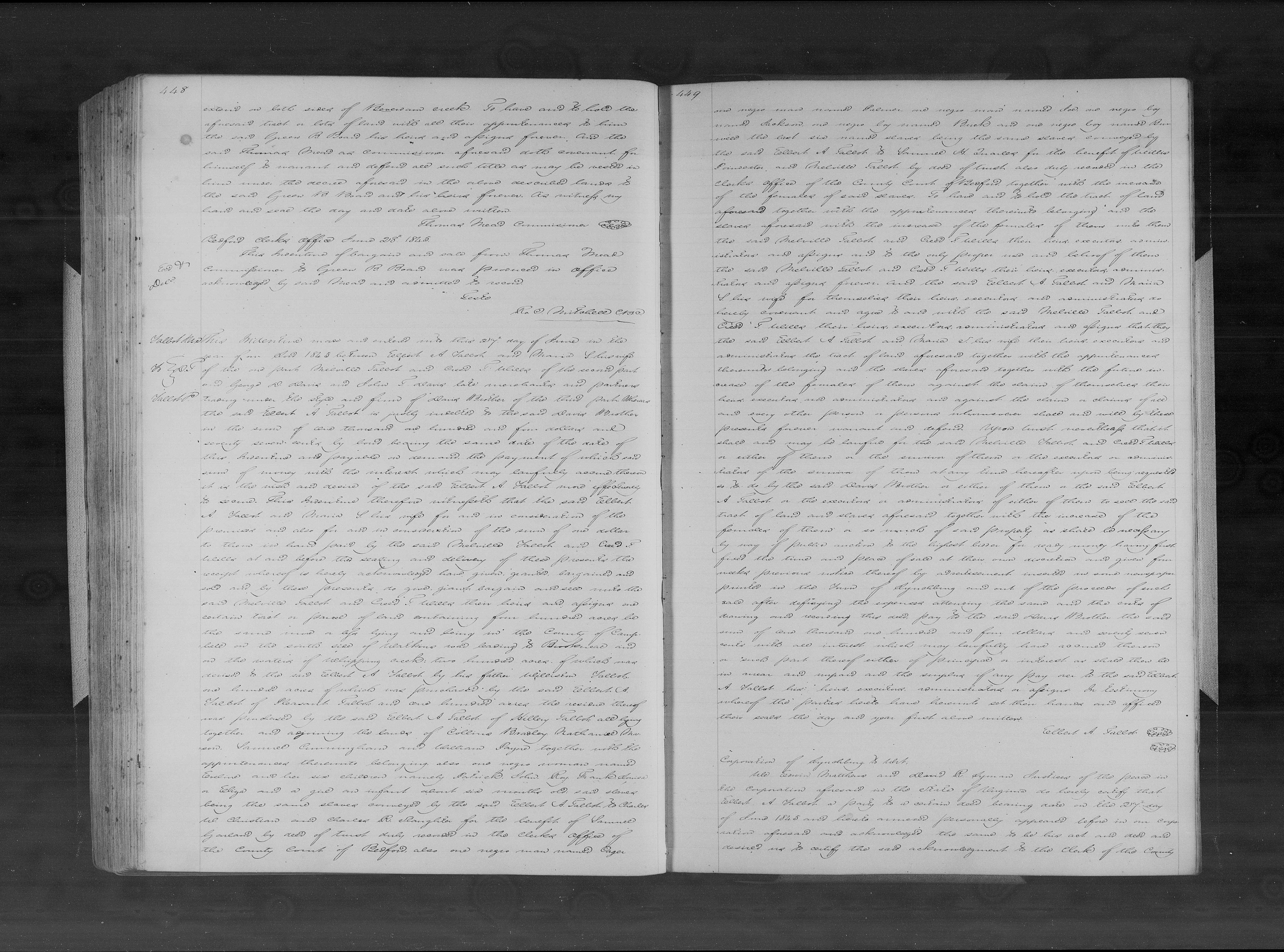
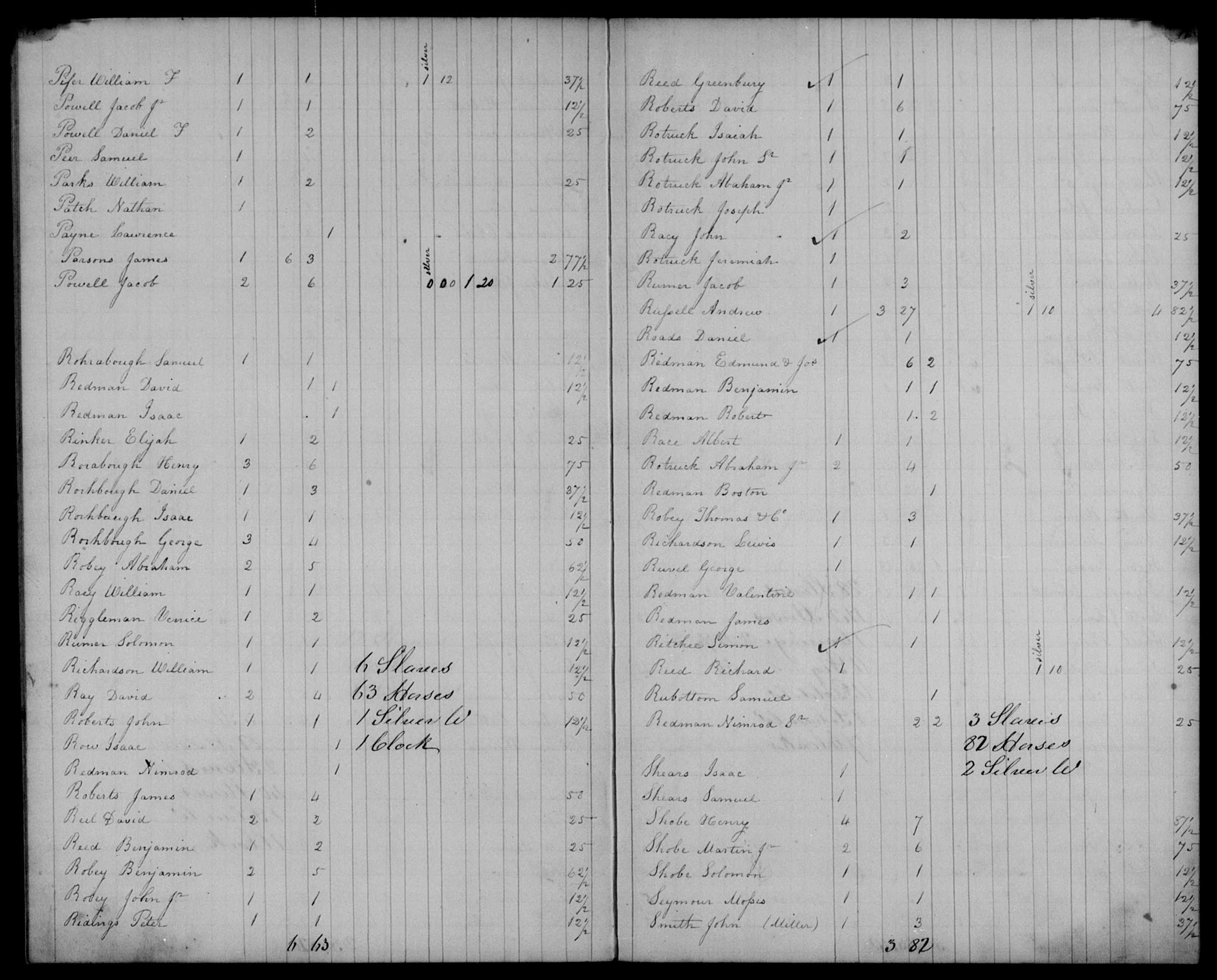
Rebecca Payne was born about 1825 to 1830 in Virginia. DNA now connects this family to the Payne family, free people of color who can be documented by name. Rebecca’s father, William Payne (born about 1798 to 1802, died 1881), and her grandfather, Humphrey Payne (1775 to 1852), appeared in the Virginia courts, from Frederick County through Hardy County, to renew their free-person certificates alongside other free people of color. A free woman named Rebecca Payne also appears in the Hardy County court renewing her freedom papers, and she is most likely Jerrie’s great-grandmother. The exact link between this Rebecca and William Payne is not yet proven by a single document; it rests on the DNA cluster and the surrounding record.
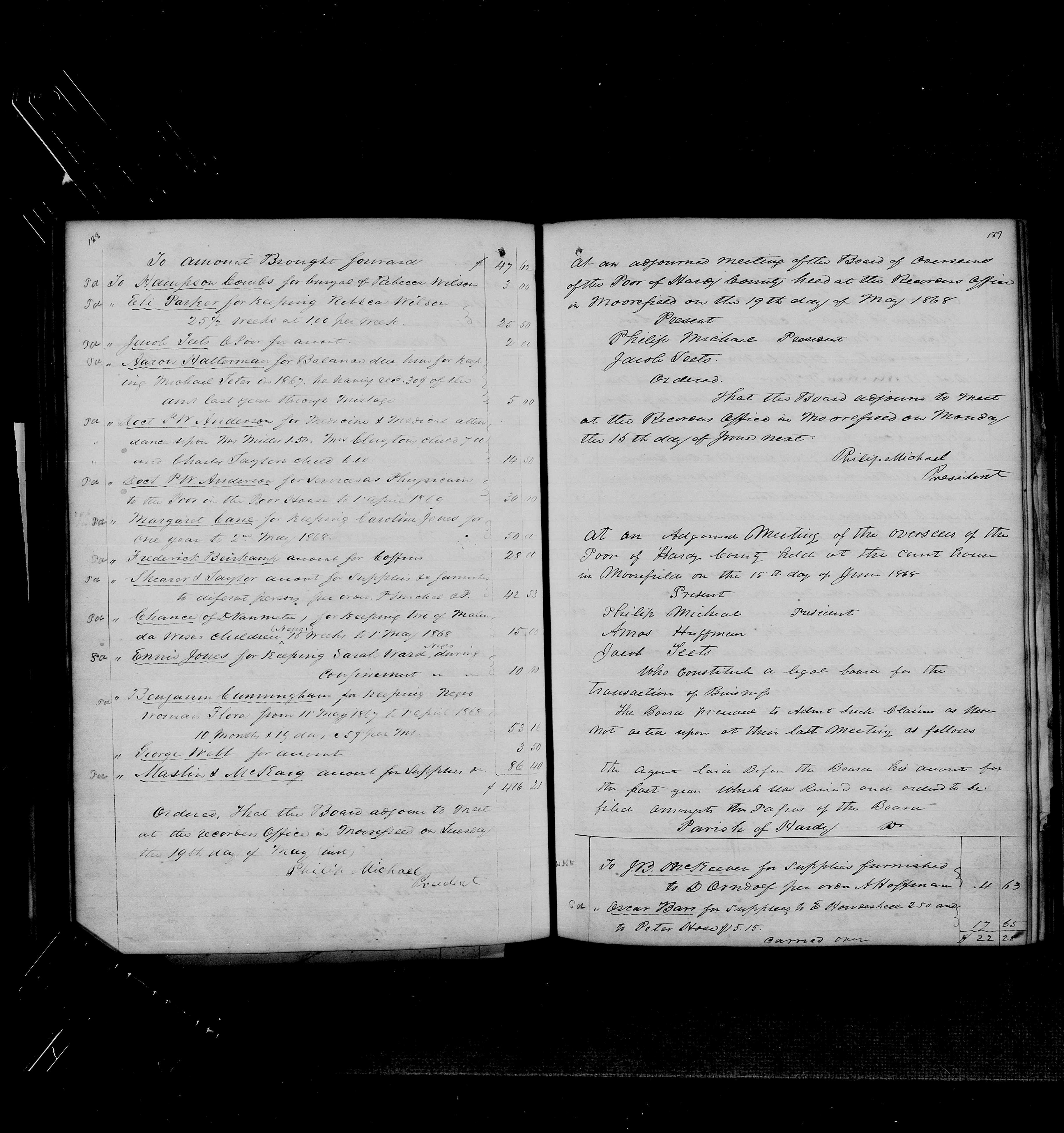
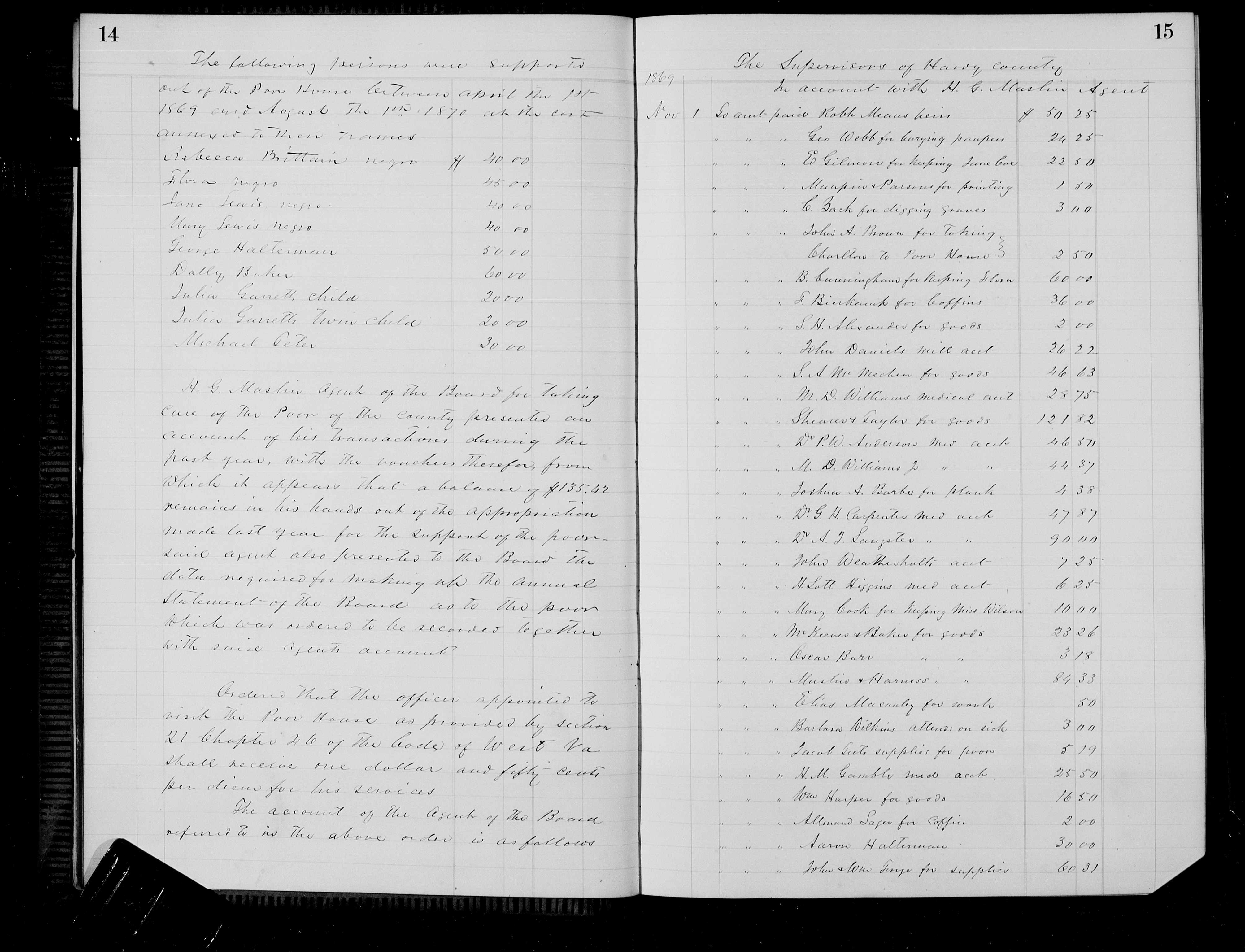
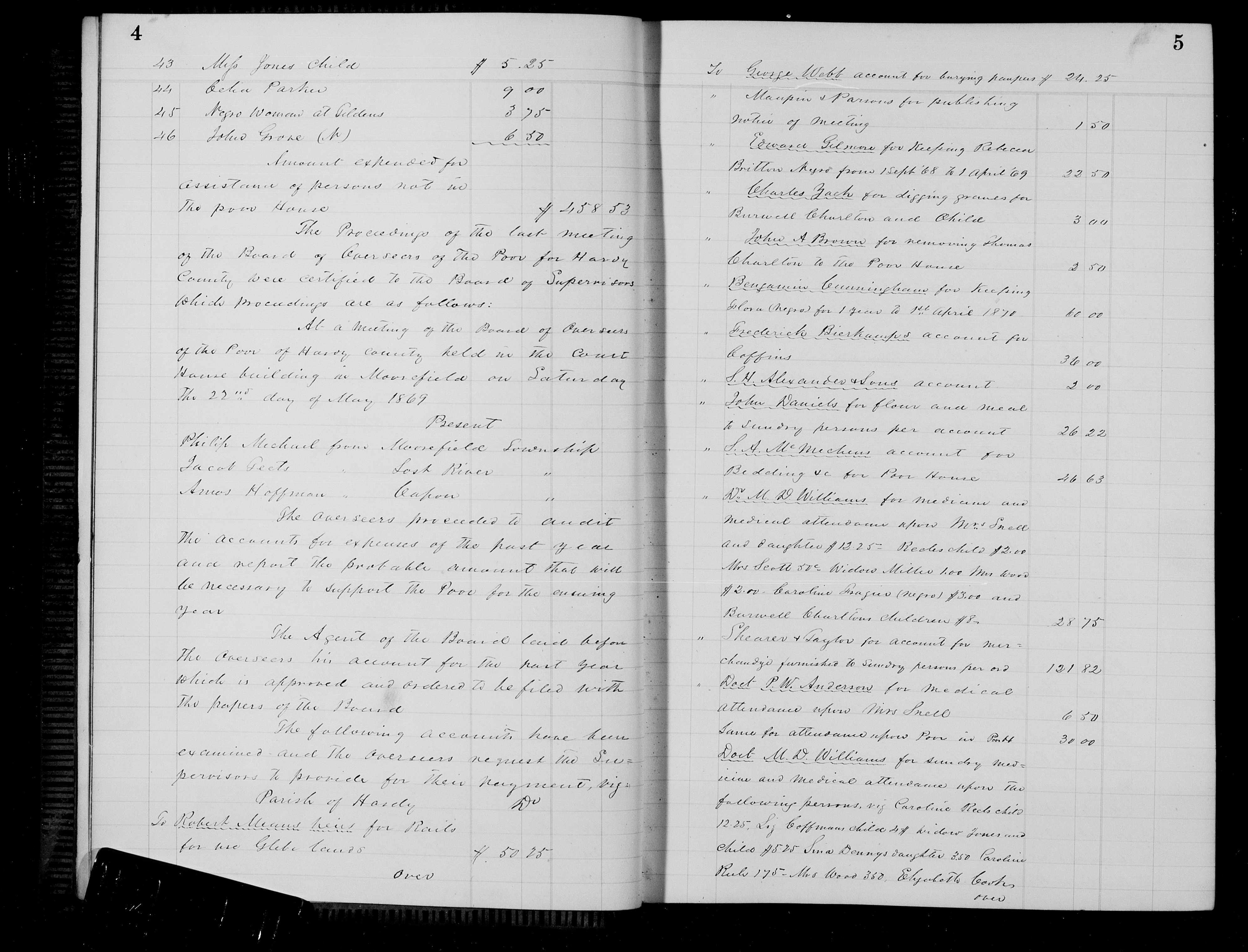
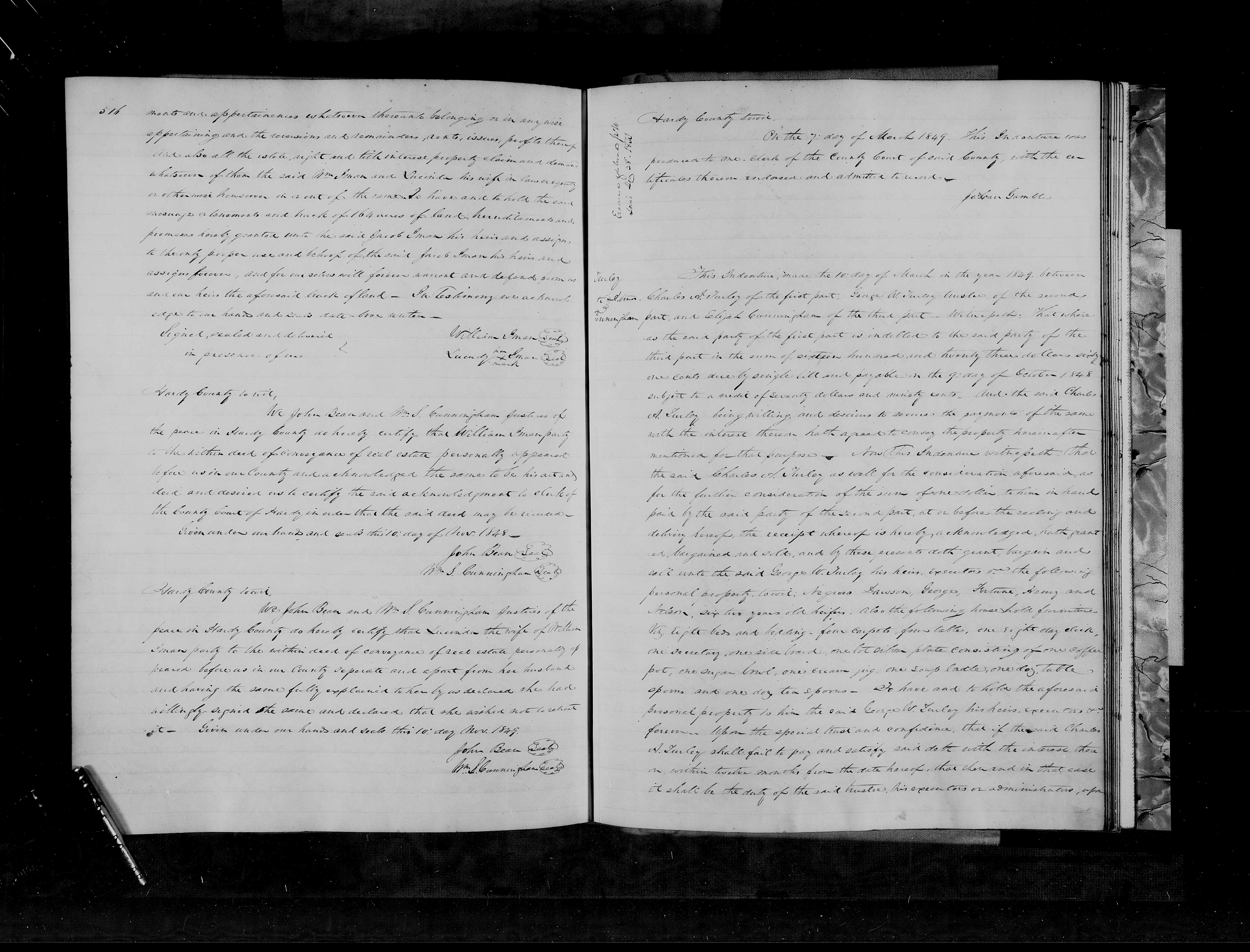
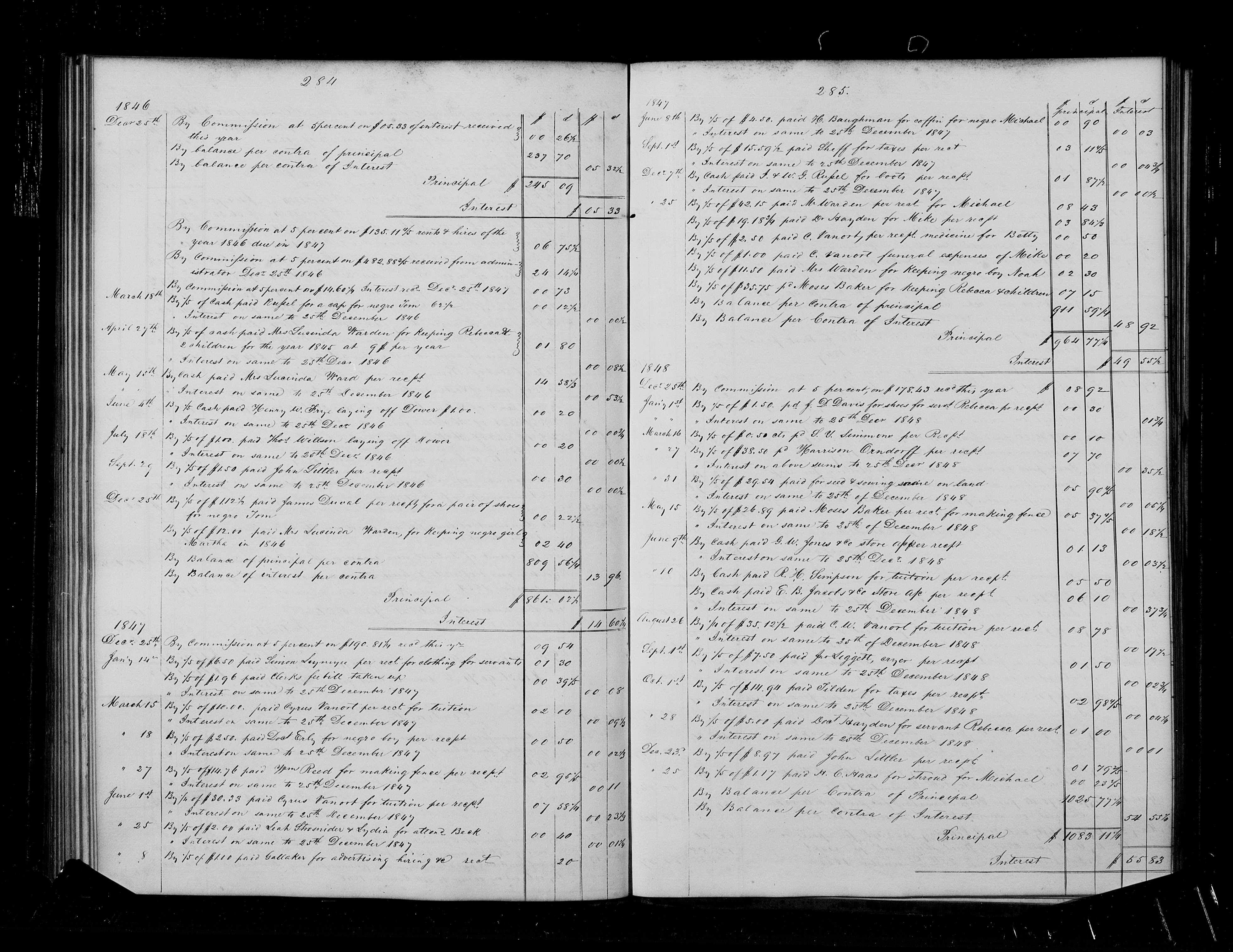
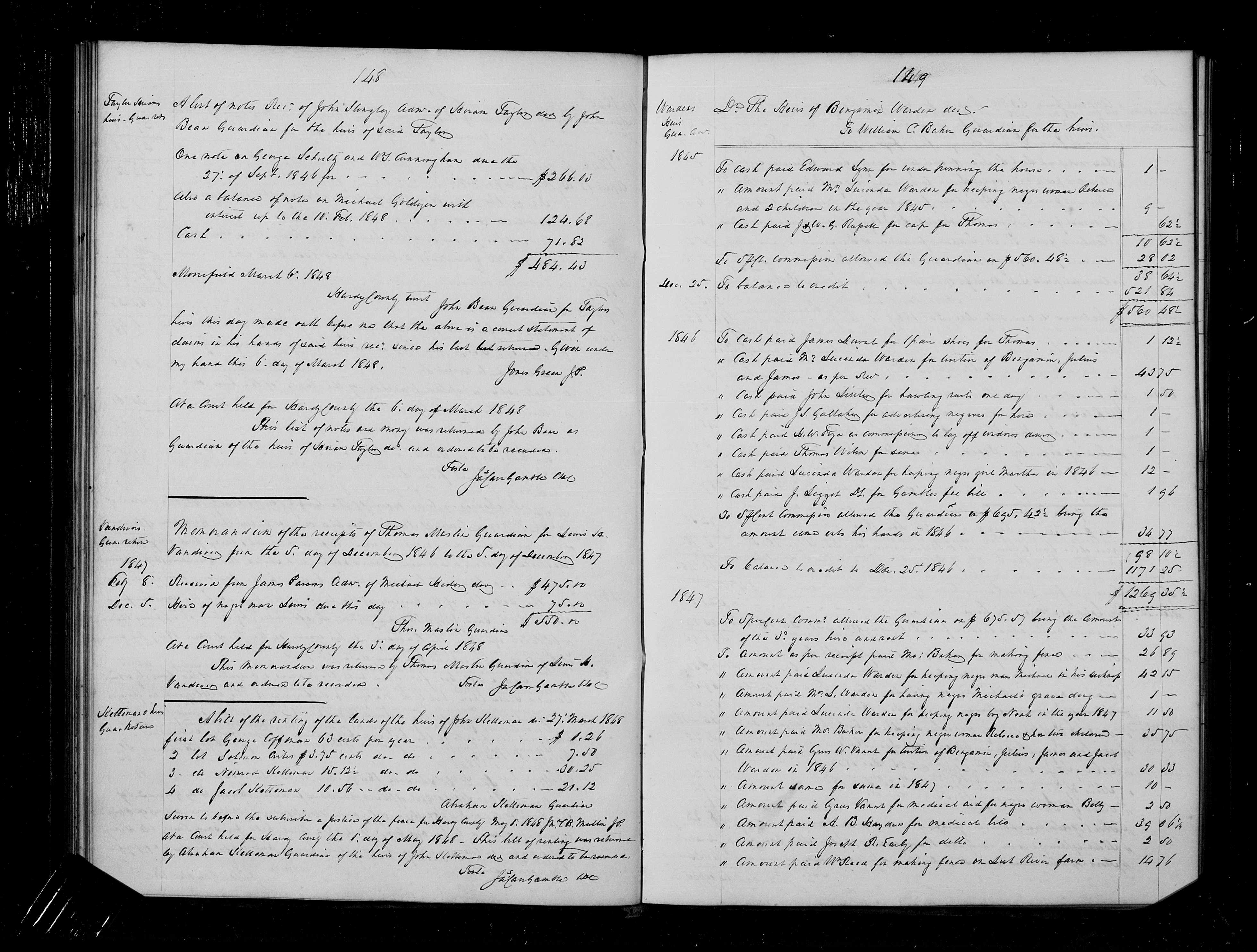
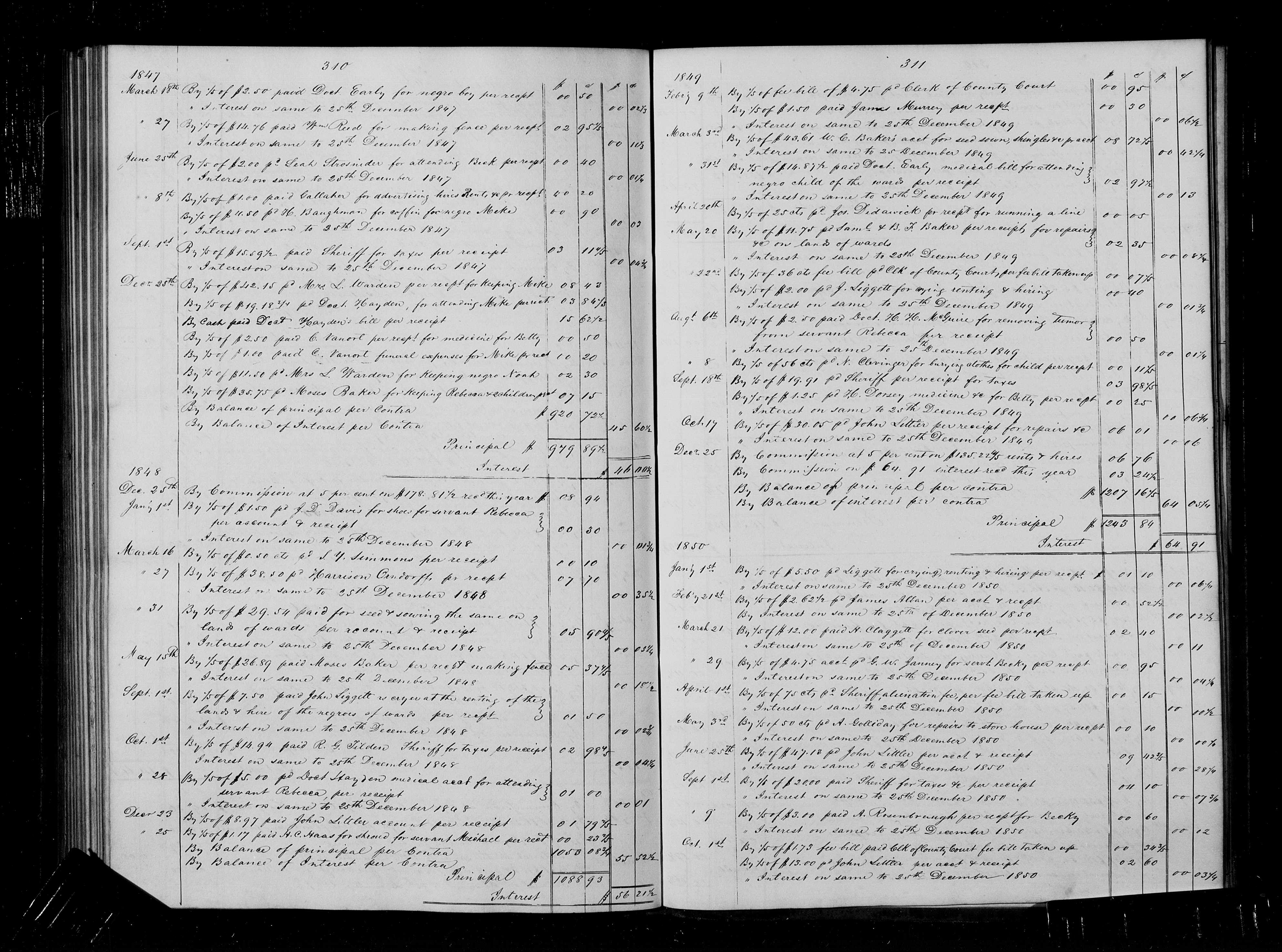
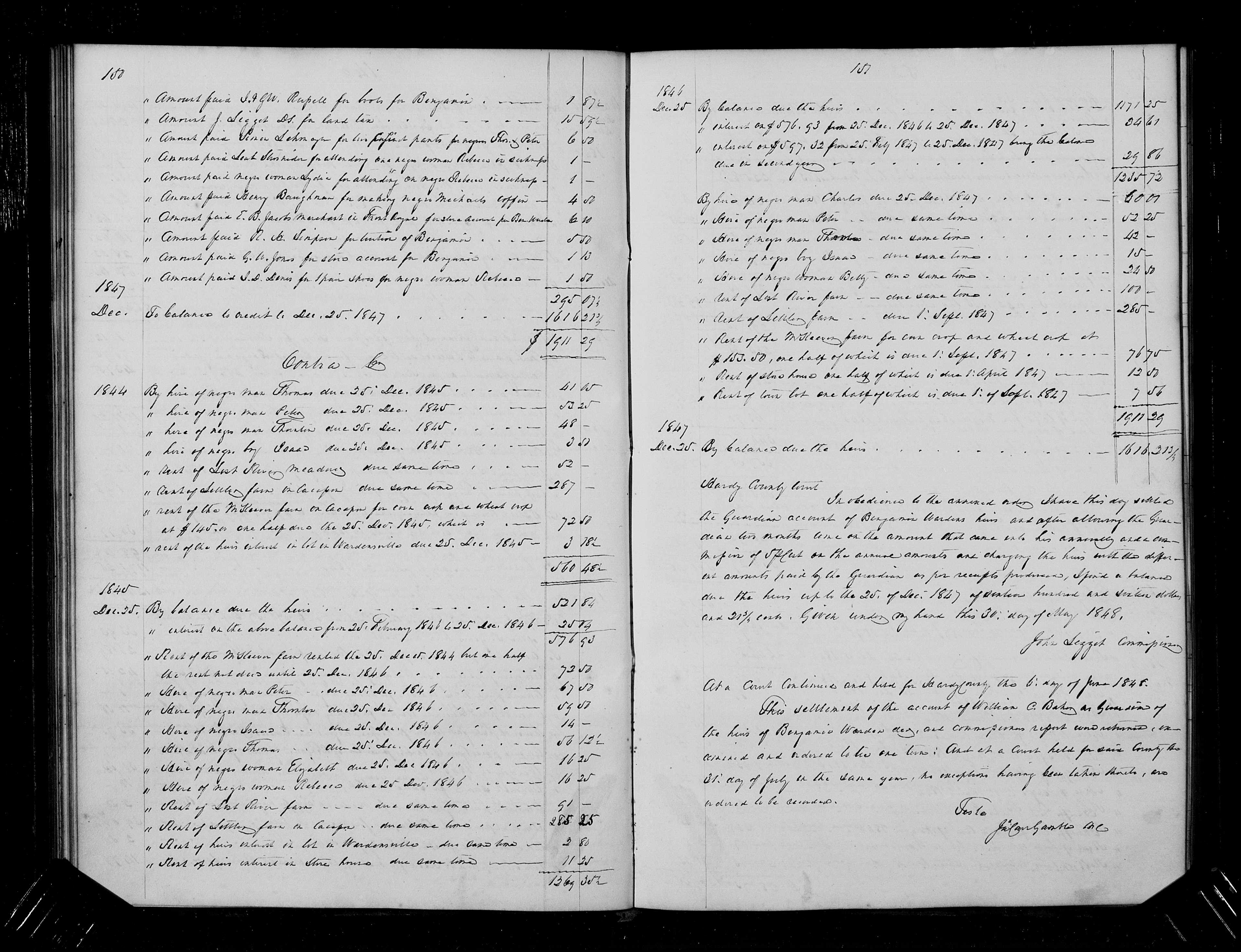
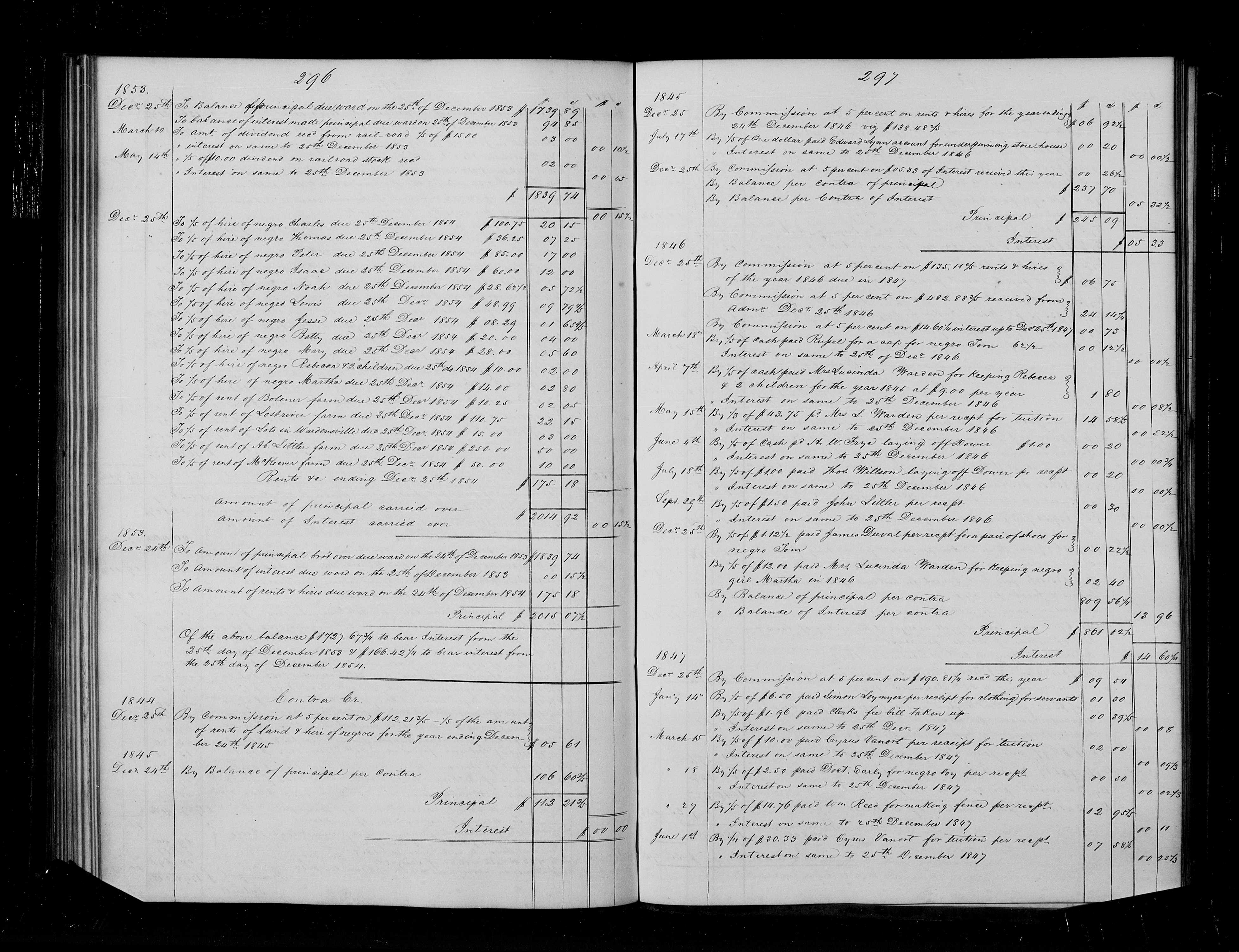
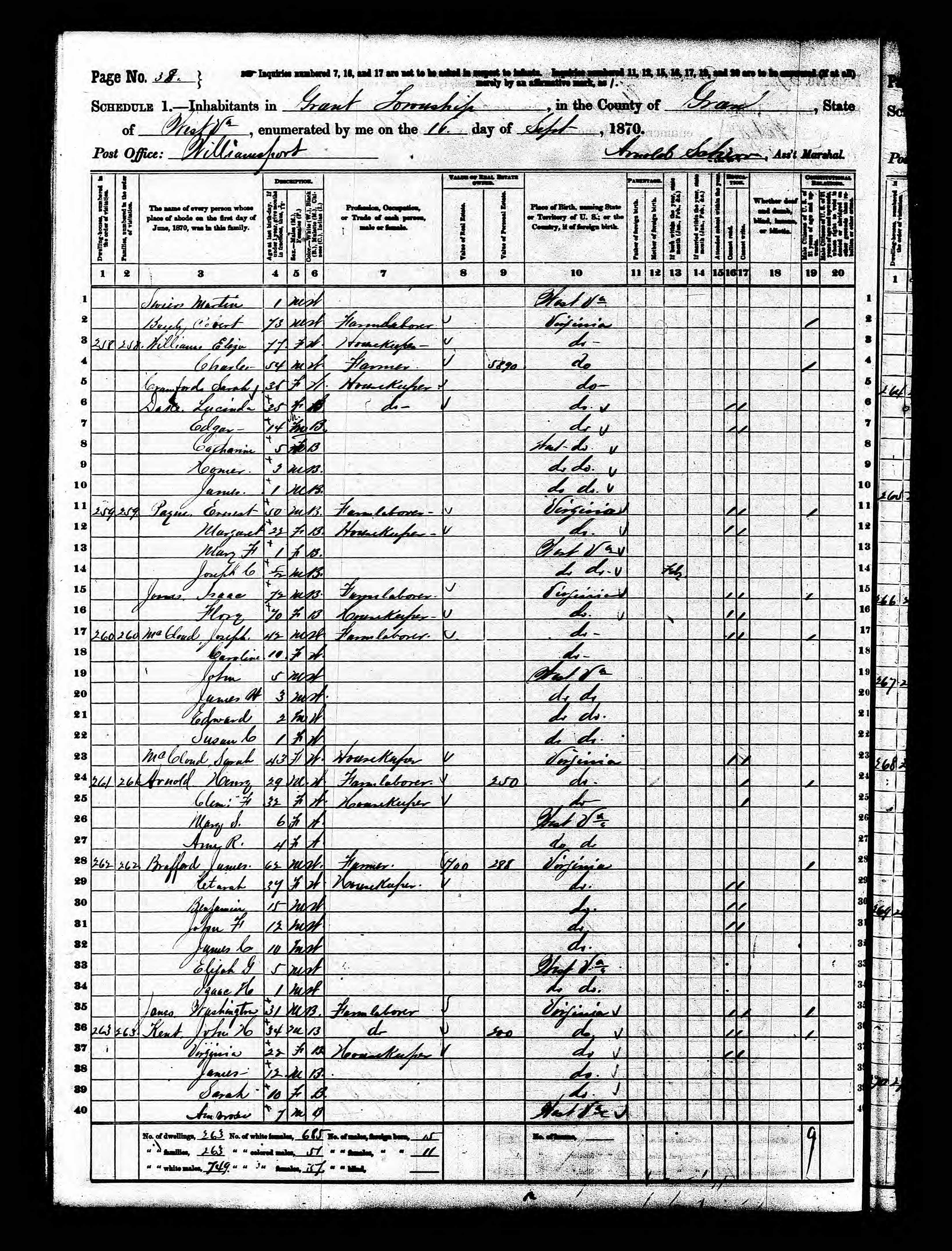
Because a child followed the condition of its mother, Rebecca could have been free only if her mother was free. Family tradition holds that Rebecca’s mother was an enslaved woman named Flora, born about 1800. That tradition is not yet documented, but a Flora born about 1800 appears in the 1870 census in the same Williamsport household as the Payne family, and county records show a Flora supported for years as a pauper in the care of Benjamin Cunningham. A separate, enslaved and often ailing Rebecca appears in the Warden estate records; the evidence indicates she is a different woman, not the free Rebecca Payne of this line.
Fortune was remembered as born outside the United States, possibly in the Caribbean, a man who spoke French or Spanish and kept foreign coins. The surviving records and the DNA evidence now allow these memories to be tested, confirmed, and refined.
“Where oral tradition, documentary evidence, and DNA agree, they confirm one another. Where they differ, the research states plainly what is established and what remains open.”
Documented chronology
George Lee’s will names an enslaved person called Fortune. This may be an earlier man of the same name and could represent a possible family connection, but it is not yet proven to be Fortune Stewart.
George Harness’s will and codicil document transfers of enslaved people to his daughter Fanny and son-in-law Charles A. Turley, opening a possible path into the Turley household.
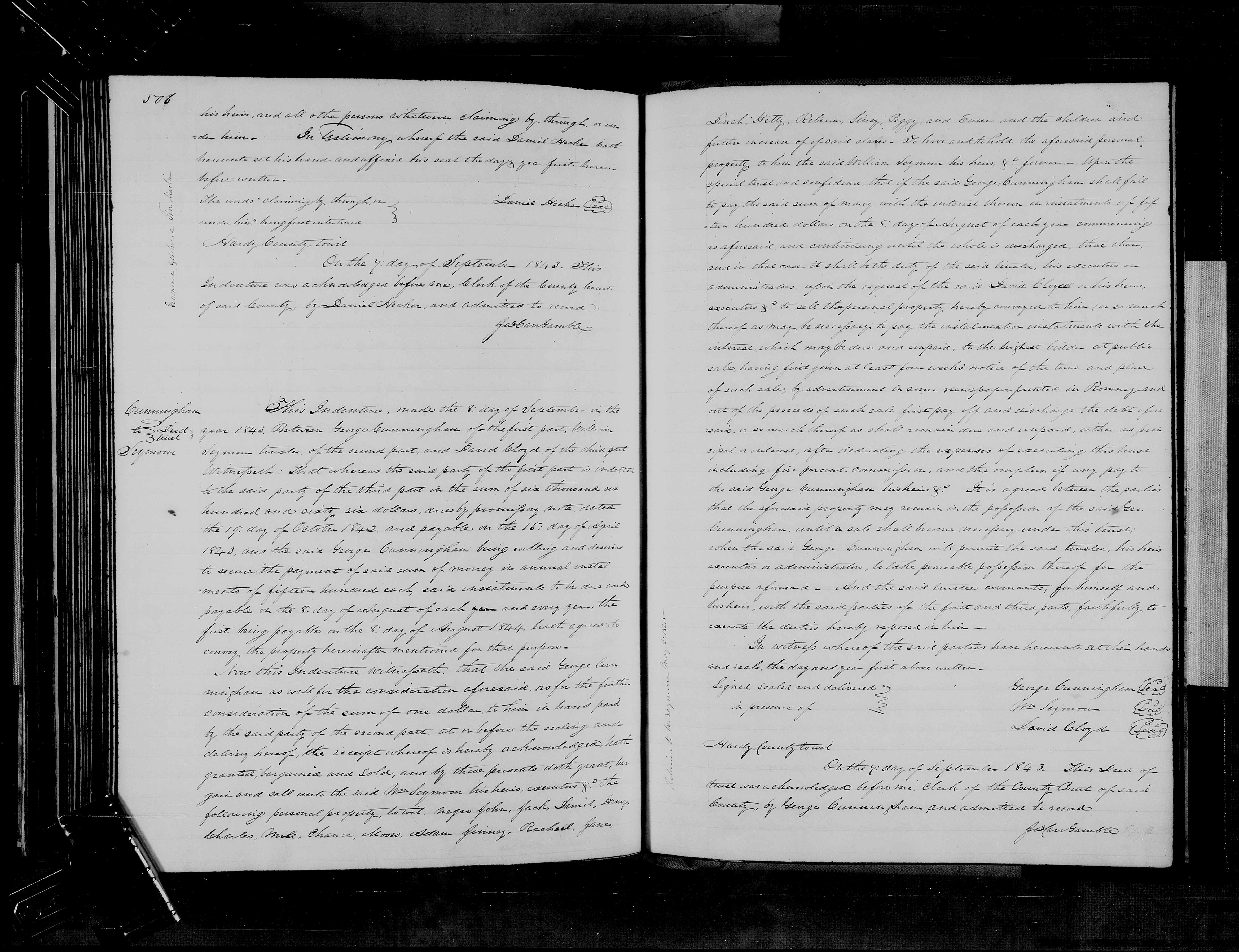
A deed of trust executed by Charles A. Turley pledges five enslaved men—Dawson, George, Fortune, Henry, and Nelson—to secure a debt to Elijah Cunningham. This is the strongest antebellum document identifying Fortune.
Fortune and Rebecca formed a household near the end of the Civil War. The family’s older children had been born during slavery.
The first federal census after emancipation records Fortune, Rebecca, and their children together in Grant Township, West Virginia.
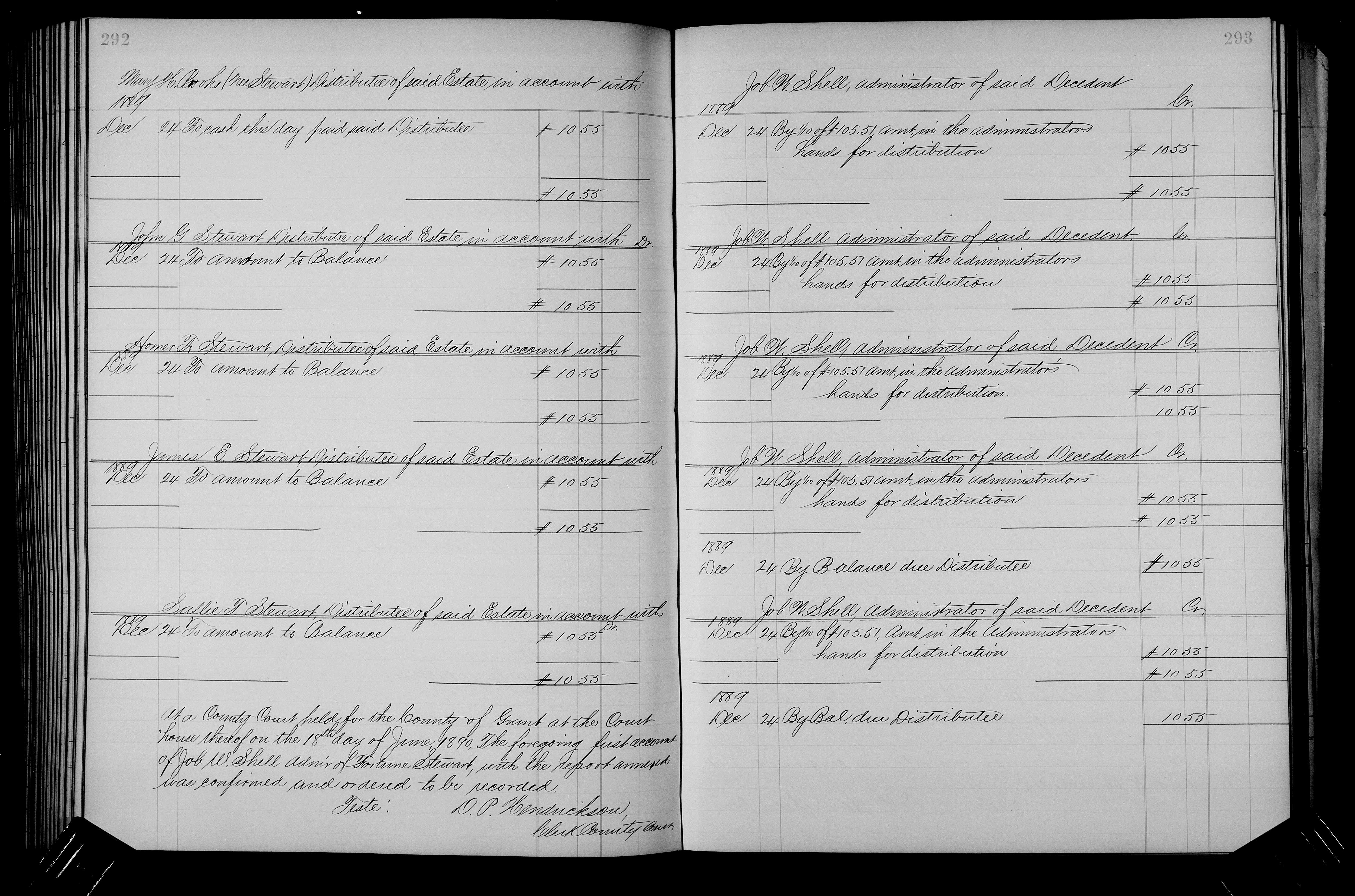
At Fortune’s death, Rebecca opened his estate. Probate records name family heirs and connect the Stewarts to the long-established free Black Bruce and Redman families.
Rebecca died on July 4, 1910, after helping establish a large free family whose descendants carried the Stewart story forward.
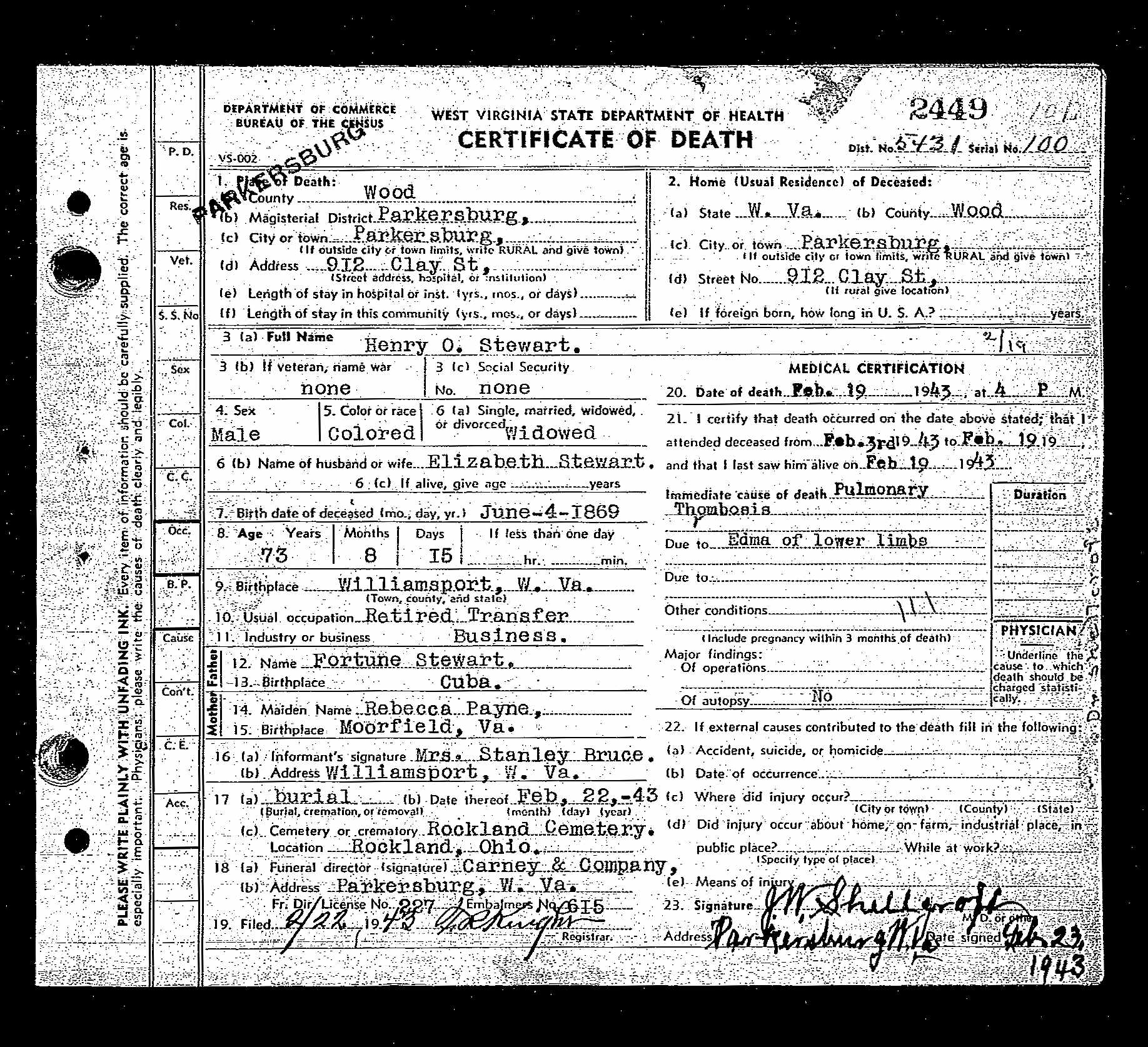
A descendant’s death certificate reports that Fortune was born in Cuba, preserving the family’s Caribbean-origin tradition in a later official record.
The evidence
The Turley deed names Fortune as property pledged alongside four other enslaved men. His absence from antebellum free-person registers supports the conclusion that he was not free before emancipation.
Charles A. Turley, Elijah Cunningham, George W. Turley, the Harness family, and shared court officials formed an interconnected network through which enslaved people and property moved.
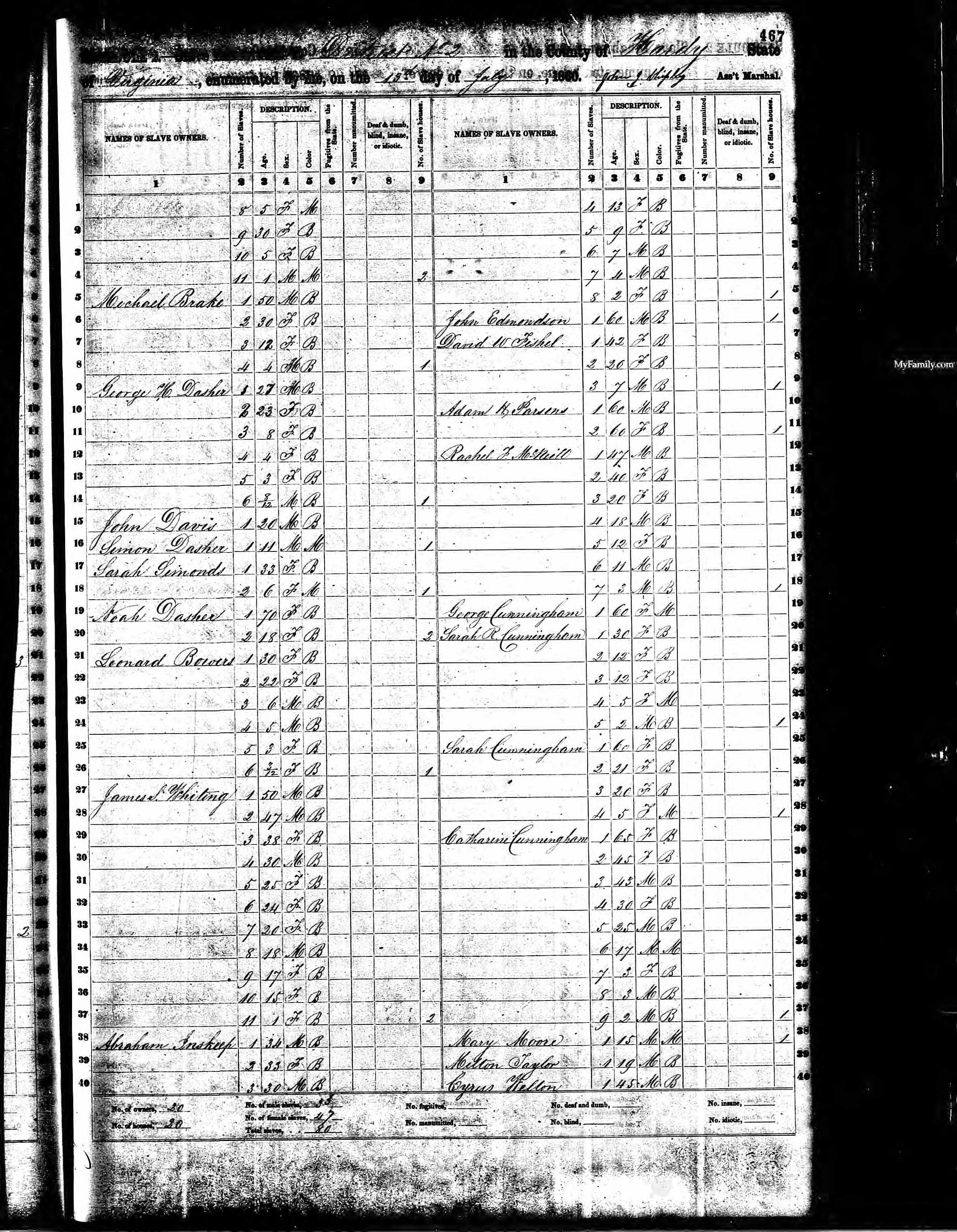
Multiple Cunningham households enslaved women matching Rebecca’s age. The strongest 1860 numerical match is in Catharine Cunningham’s household, although anonymous slave schedules cannot prove identity by themselves.
Family memory, a later death record naming Cuba, and the pattern of DNA evidence support continued investigation of a Caribbean origin. No surviving document yet identifies Fortune’s precise birthplace or arrival.
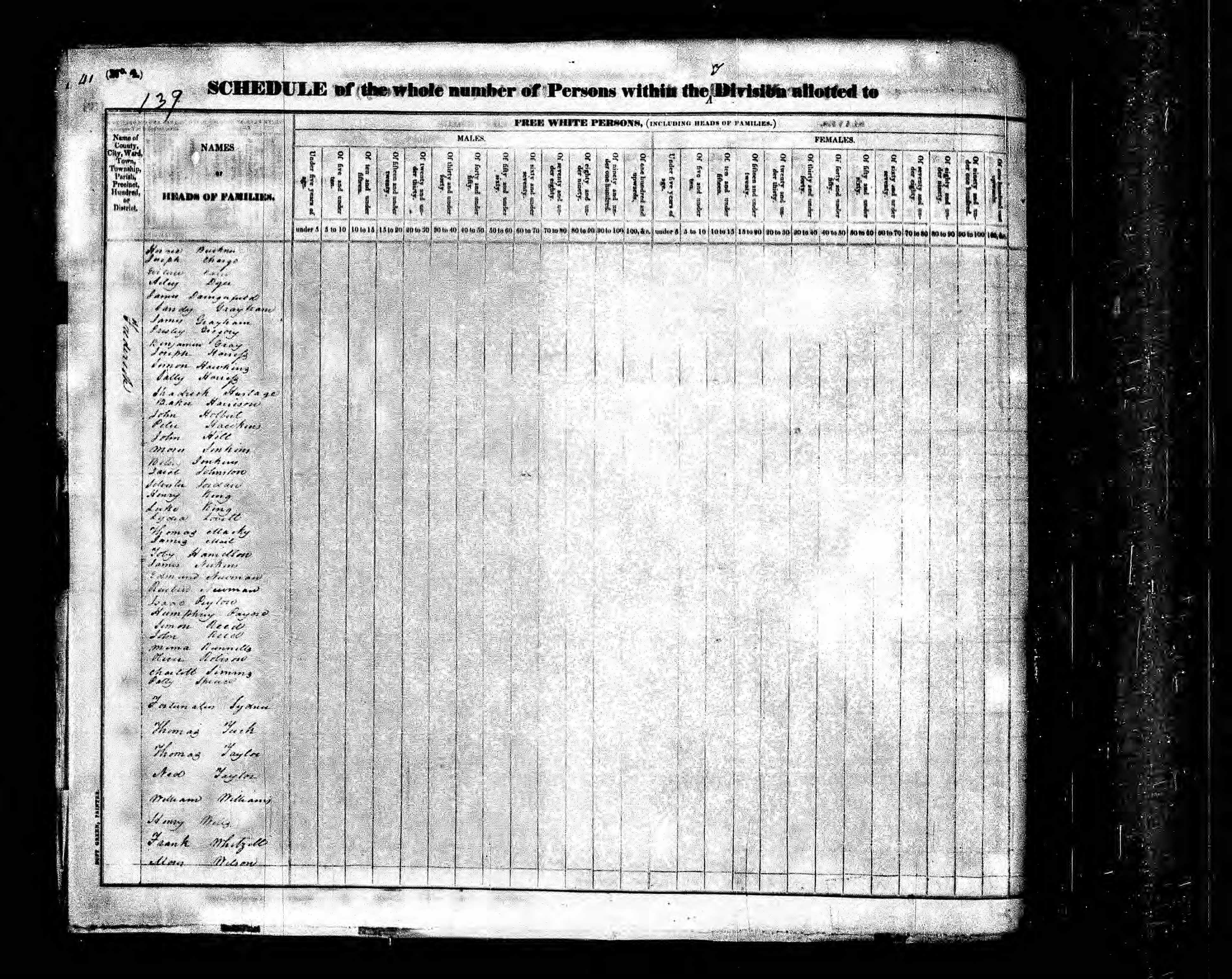
Rebecca’s father, William Payne (born about 1798 to 1802), and her grandfather Humphrey Payne (1775 to 1852) appear in the Virginia court records renewing their certificates of freedom, and Humphrey’s family was released by a deed of emancipation. The line runs from Virginia into West Virginia and on to Ohio, and DNA ties Jerrie’s family to it.
Freedom already had roots here
Fortune and Rebecca built their postwar life beside families of color who had lived free in Hardy County for decades. Members of the Bruce family appear in court records as emancipated people in the 1830s. The Redmans owned land, conducted business, and appear in deeds before the Civil War.
In 1888, W. H. Bruce and Joseph Redman helped appraise Fortune’s estate. Their presence shows that the Stewart family’s freedom story was connected to an older free Black community.
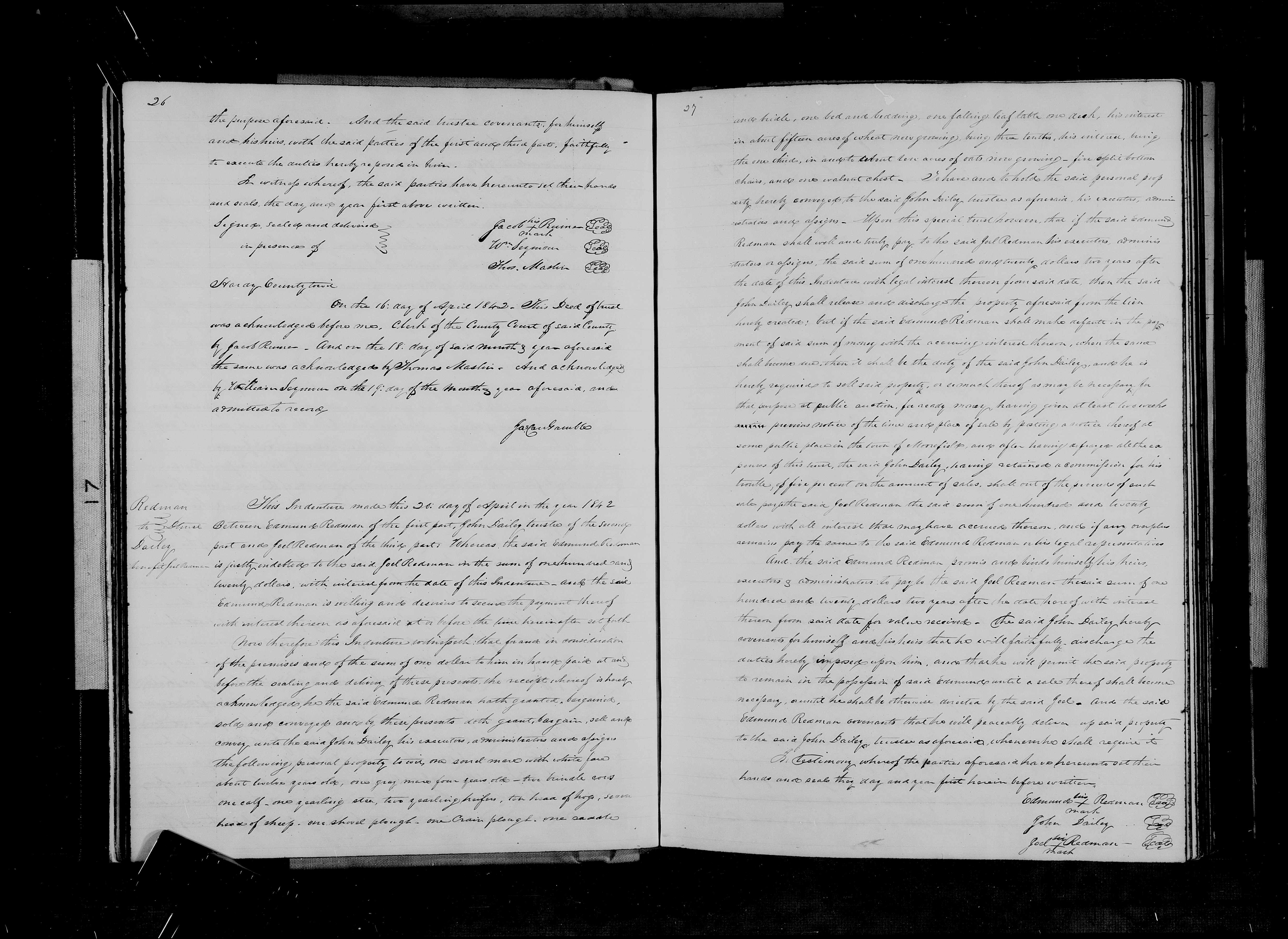
Selected original records
Open any image to study the original record. These documents are presented as historical evidence and may contain dehumanizing language used by the record creators.
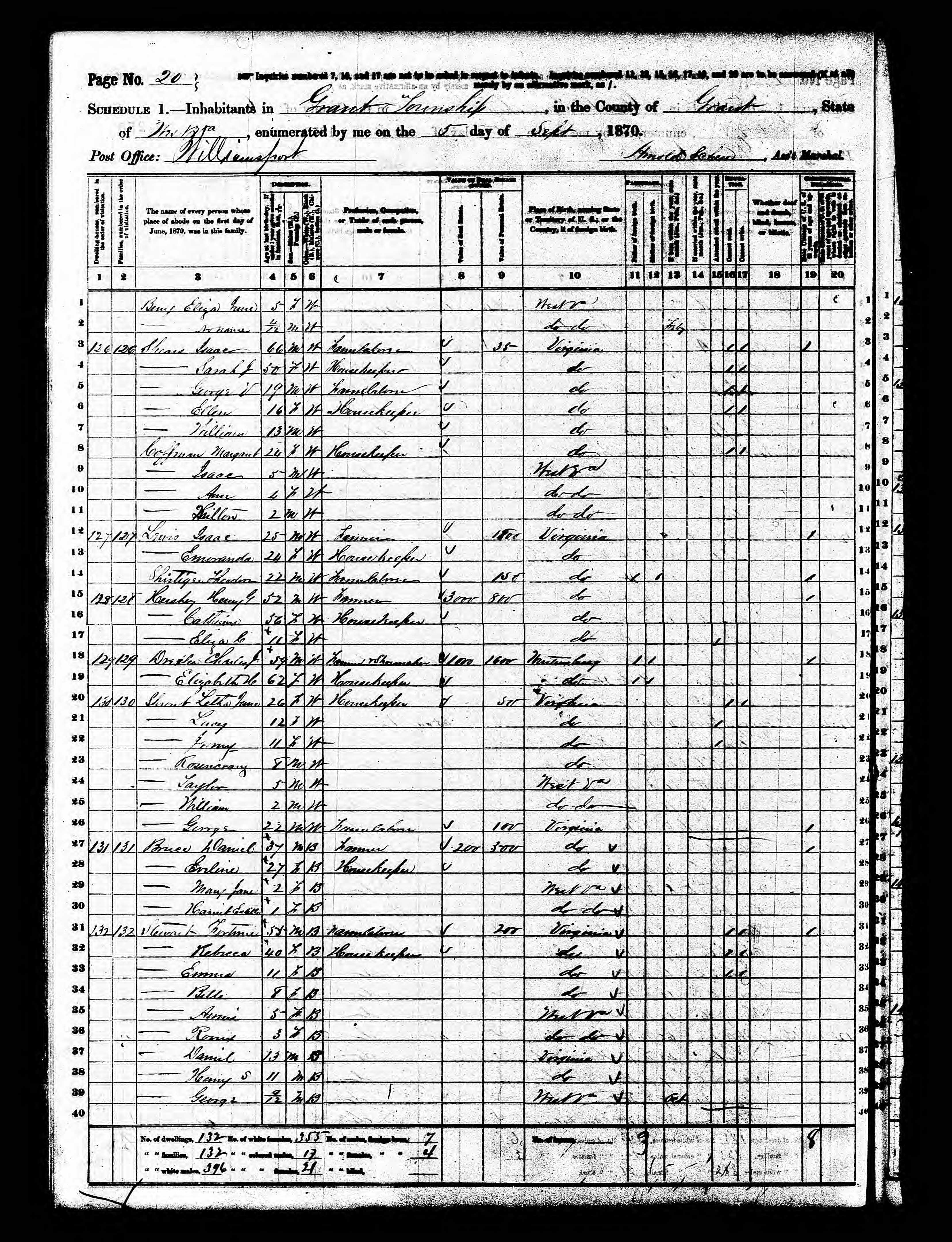
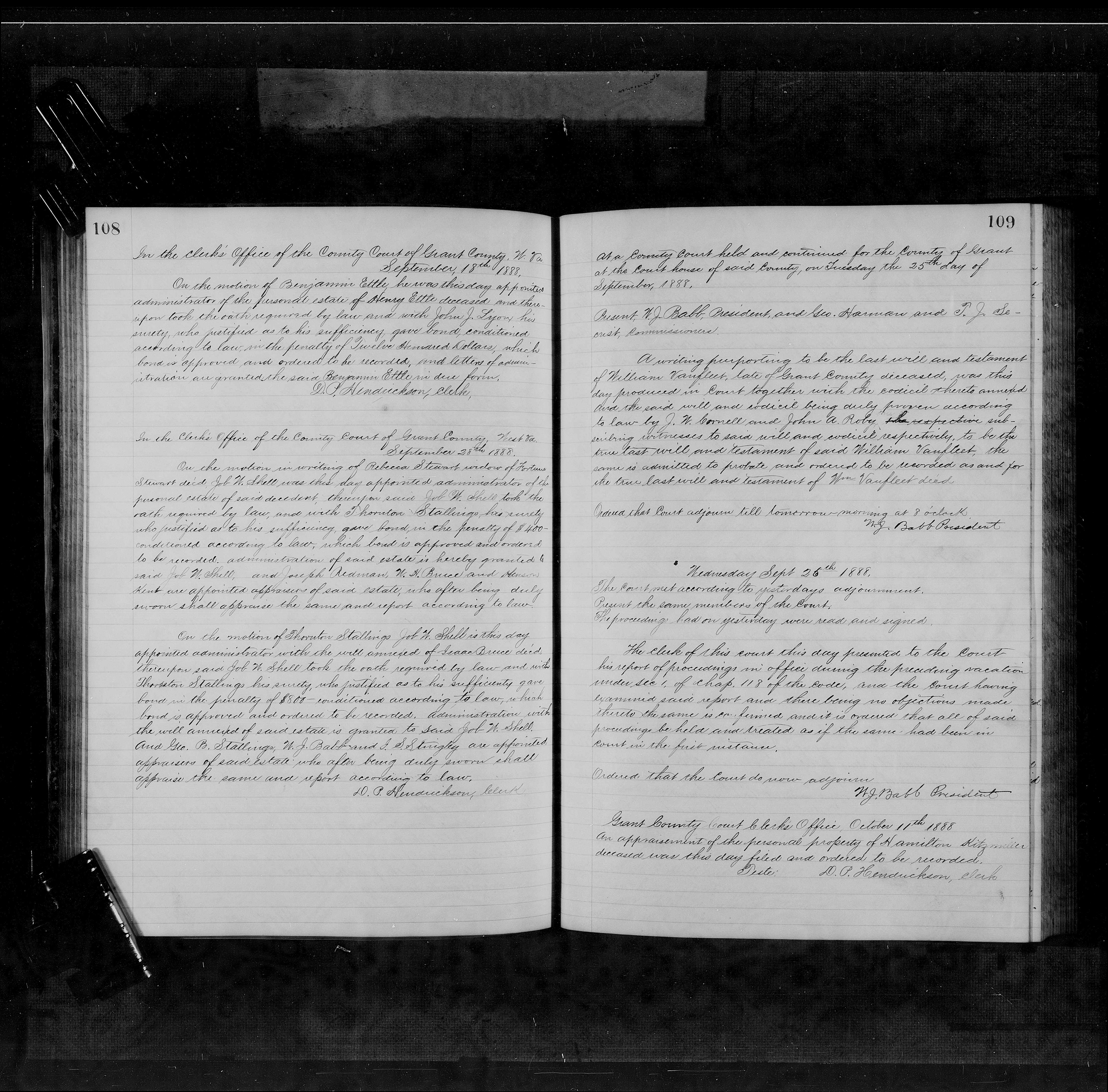
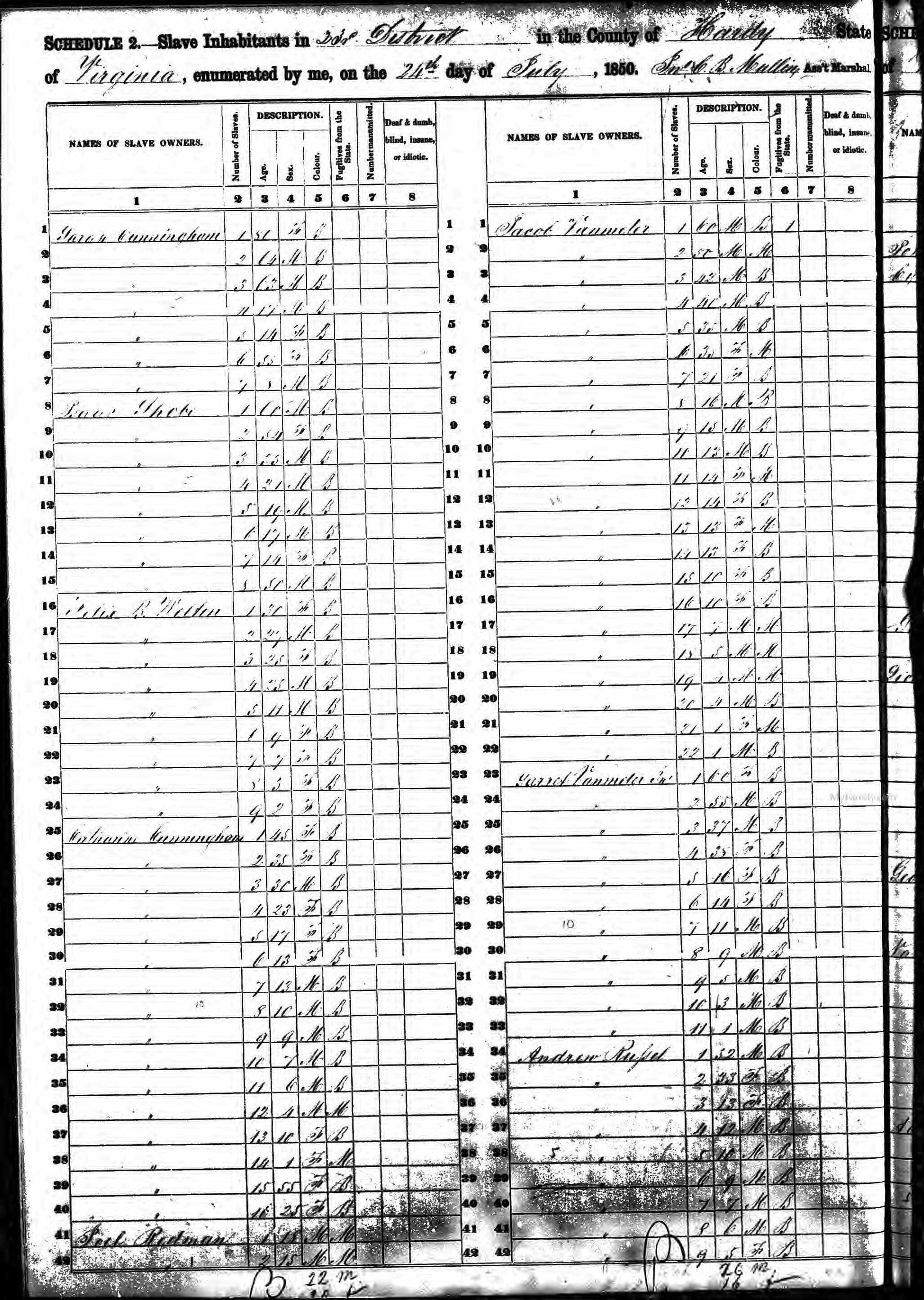
Genealogical proof and transparency
A living inheritance
This website is dedicated to the descendants of Fortune Stewart and Rebecca Payne—and to every generation that kept their names alive long enough for the records to find them again.
Records by person
The original records gathered for each ancestor. Open any image to study it full size, or use the download link to save a copy. These documents are presented as historical evidence and may contain dehumanizing language used by their creators.
Fortune Stewart
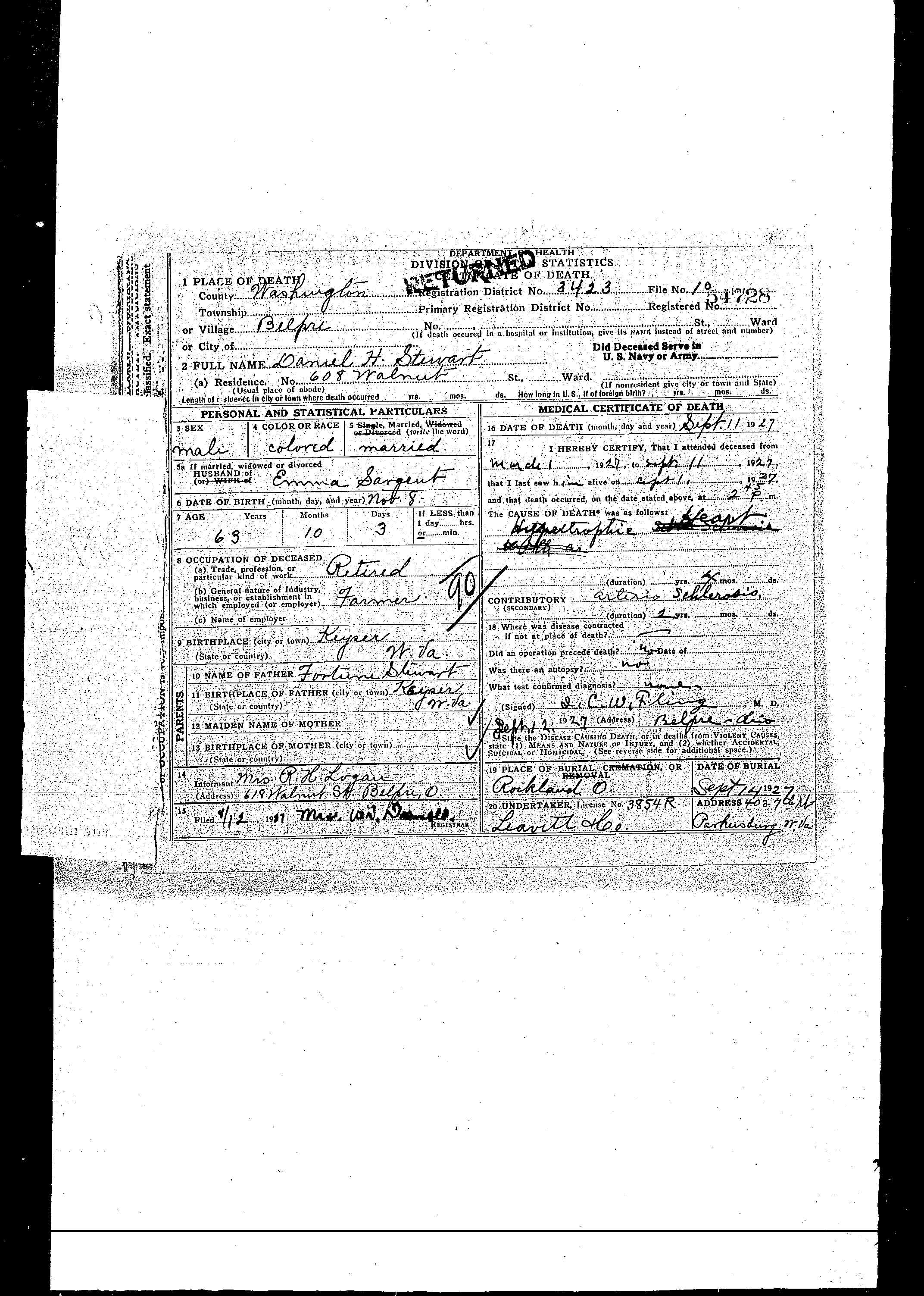
From the 1849 deed that names him as an enslaved man to the estate opened at his death in 1888, and the family memory of Cuba preserved in a later death certificate.
Rebecca Payne
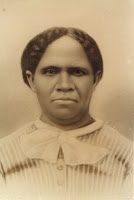
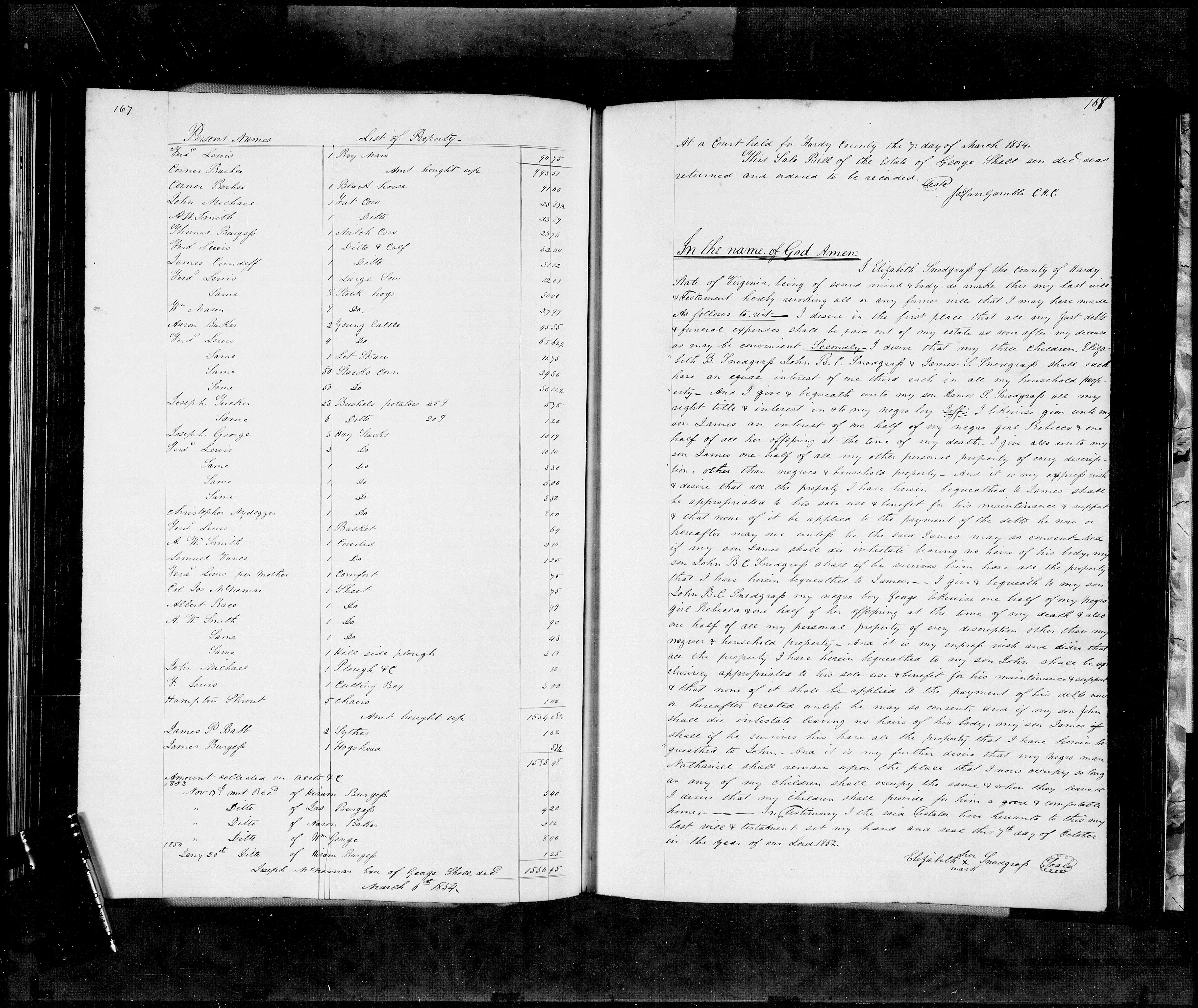
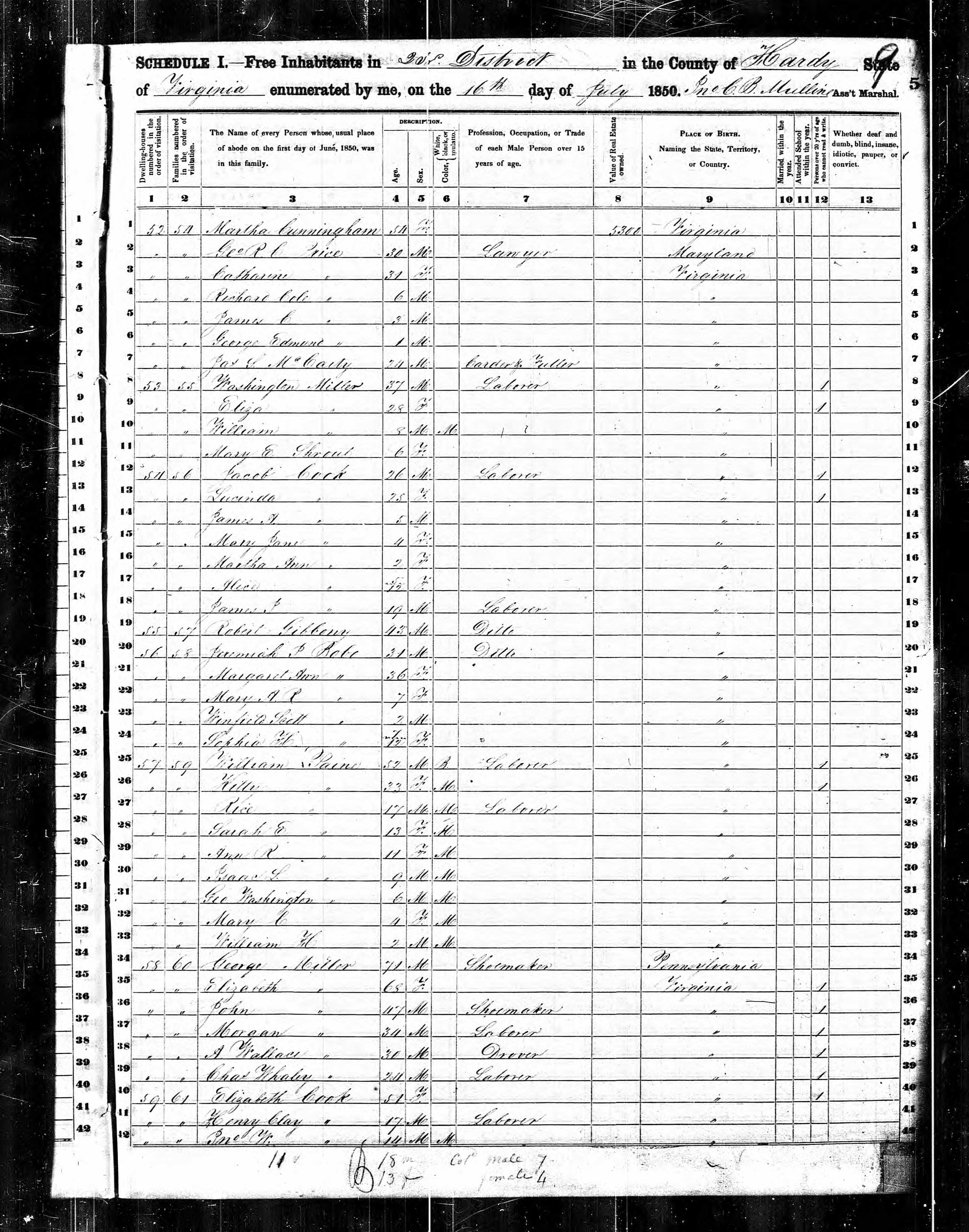
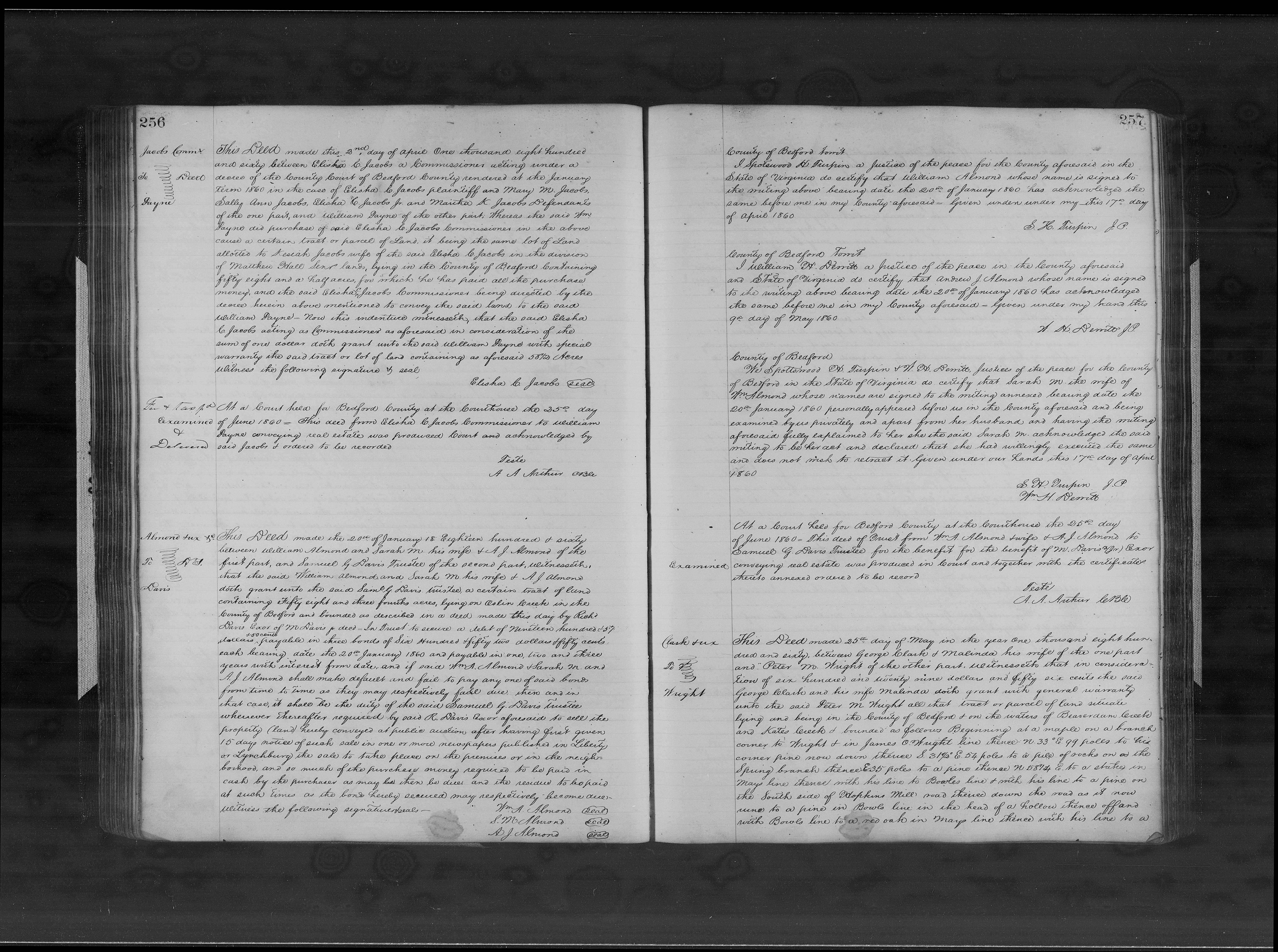
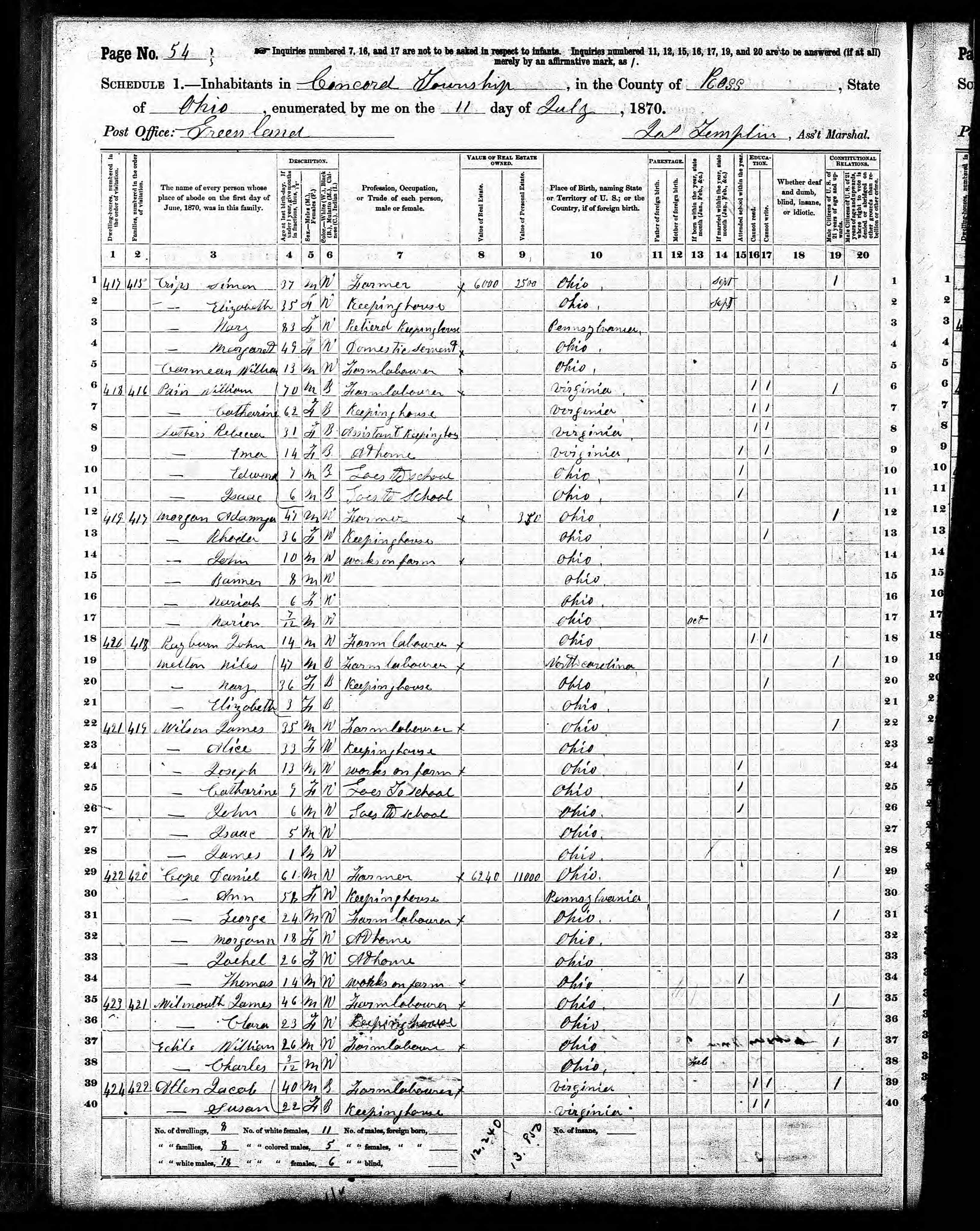
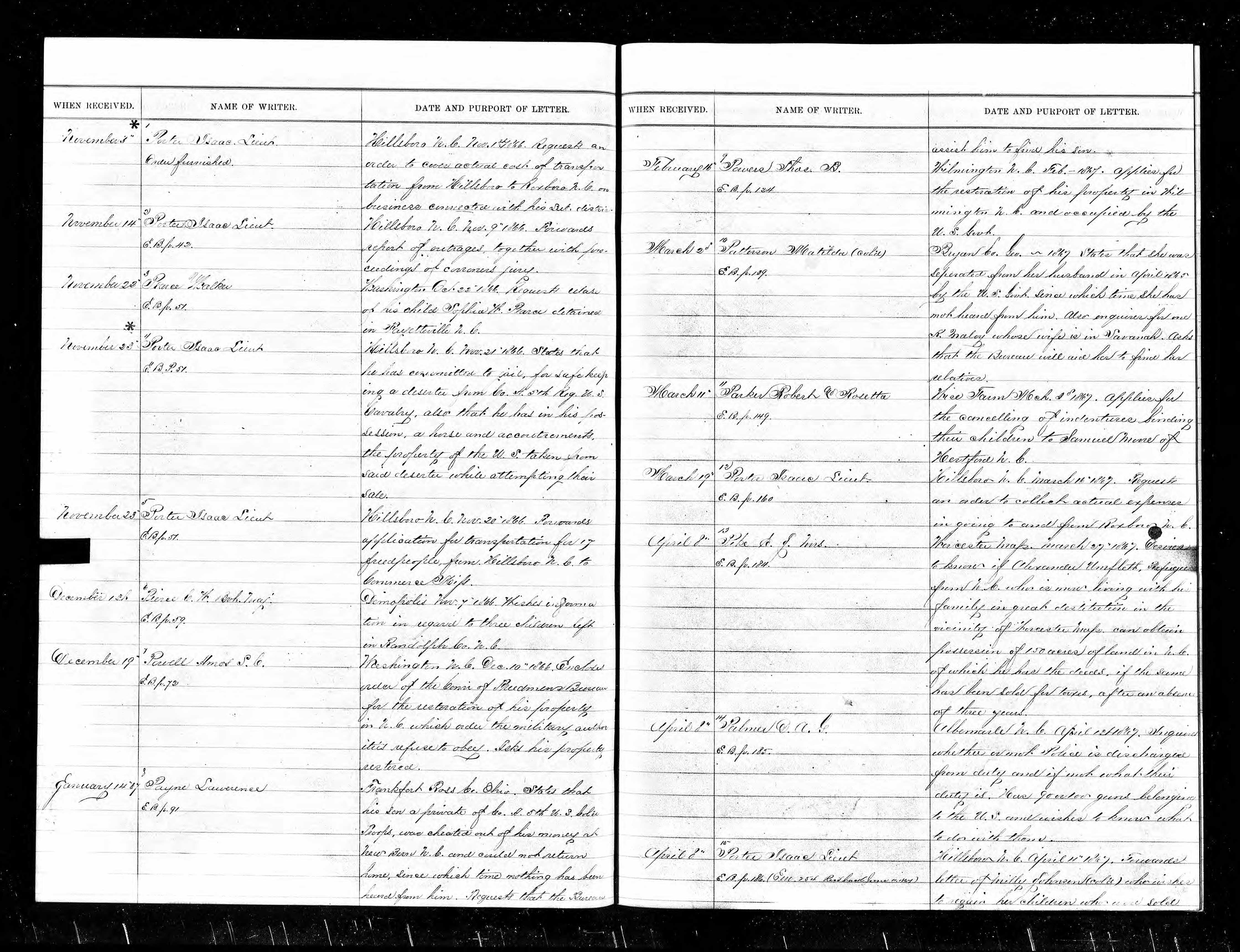
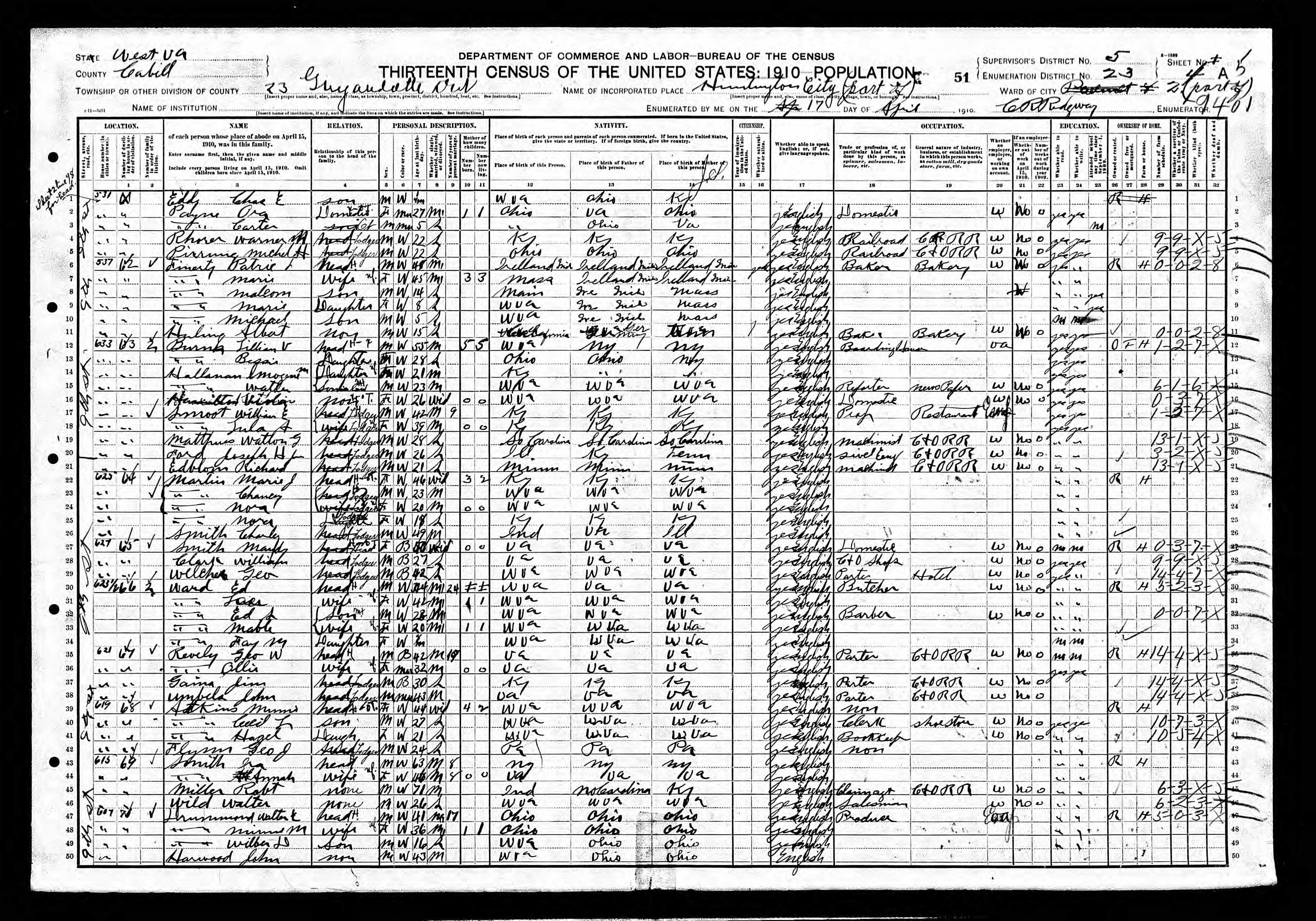
DNA connects Jerrie to the Payne family, free people of color traced from Virginia into West Virginia and on to Ohio. A free woman named Rebecca Payne renewed her freedom papers in the Hardy County court and is most likely the family's Rebecca. The county also recorded a separate, enslaved and often ailing Rebecca in the Warden estate; on the evidence she appears to be a different woman. The records below document the Payne family and the questions that remain about Rebecca's exact place within it.
Flora Payne
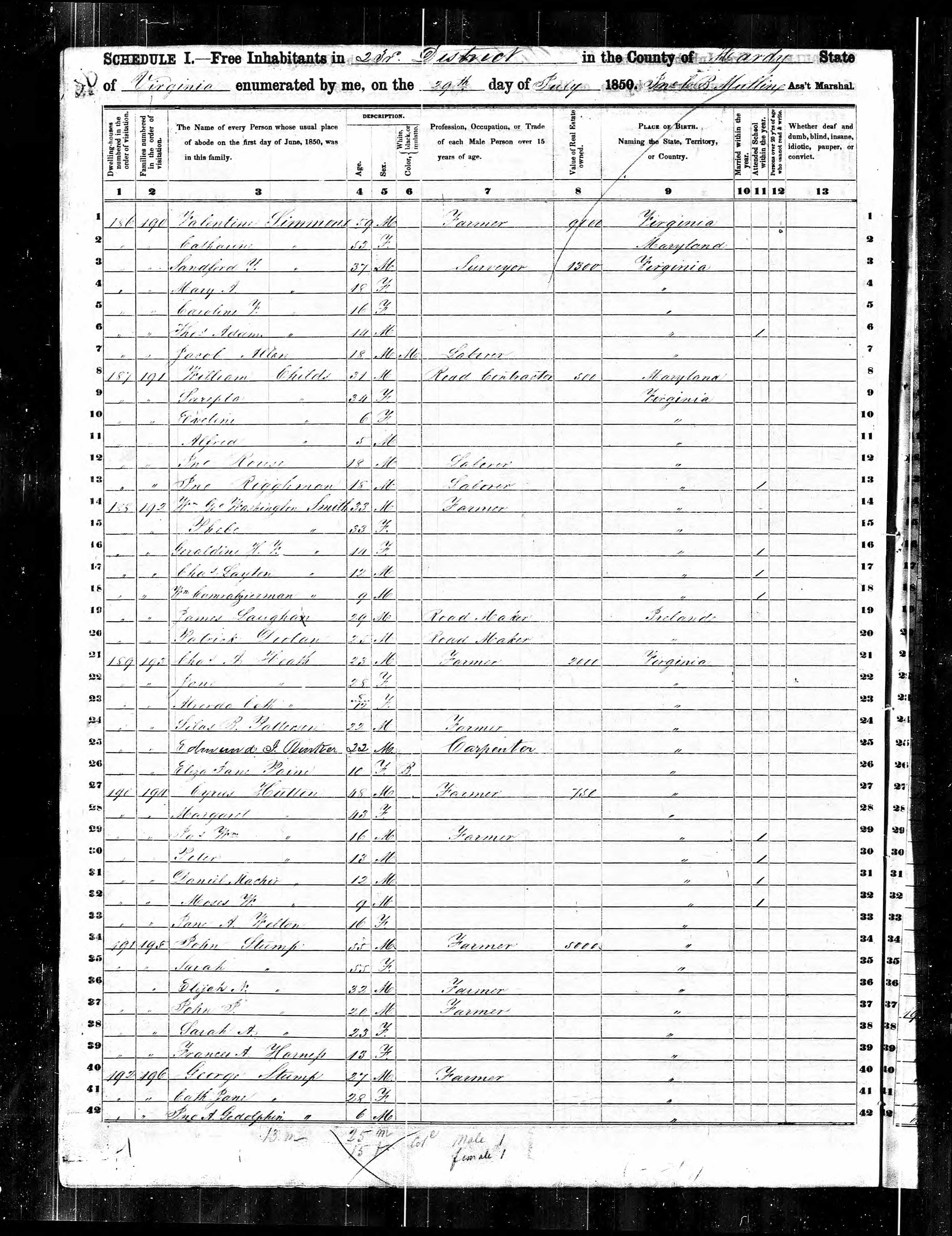
Family tradition names Rebecca's mother as Flora. In the 1870 census a Flora, born about 1800 in Virginia, is enumerated in the same Williamsport household as the Payne family, together with Isaac Jones. County records also show a Flora supported for years as a pauper in the care of Benjamin Cunningham. The name is uncommon in this area, which strengthens but does not prove that these records point to Rebecca's mother; confirming the connection is the goal of the continuing research.
Key discovery
In the 1870 census for Williamsport, a Flora born about 1800 in Virginia is enumerated in the same household as Ernest Payne’s family, alongside Isaac Jones. This is the record that ties Flora, long only a name in the family tradition, directly to the Payne family, in the very neighborhood where Rebecca and Fortune lived.
Download this record ↓