The Arc of Hannah's Life
Hannah's life is bracketed by two ledgers. In the first, written in 1842, she is a line item: a ten-year-old child appraised at $350 among the assets of a dead man's estate. In the second, signed with her own mark in 1899, she is the testator — a property-owning matriarch dividing real estate across two counties among her daughters and granddaughters. Everything of consequence in her story happens in the distance between those two documents: the forced migration of 1843 that tore her from her mother Sukey; the Lincolnton years in which her daughters Elsie and Maria Elizabeth were born; the 1869 lot that made her a founding purchaser of Freedman Town; and the Charlotte decades in which a cook's wages became titled land.
Separation & the Lincolnton Years, 1843–1865
Allotted to Haywood W. Guion on 10 January 1843, ten-year-old Hannah traveled 280 miles west with Kit, George, and five-year-old Cicero (see the 1842 Probate). The 1860 Lincolnton slave schedule's 27-year-old woman and 23-year-old man — matching Hannah and Cicero — form the genealogical bridge that carries her identity from the New Bern ledger into the records of freedom. Her daughter Maria Elizabeth's 1921 death certificate names Haywood Guion as her father: the direct biological link between the enslaving family and the dynasty Hannah founded.
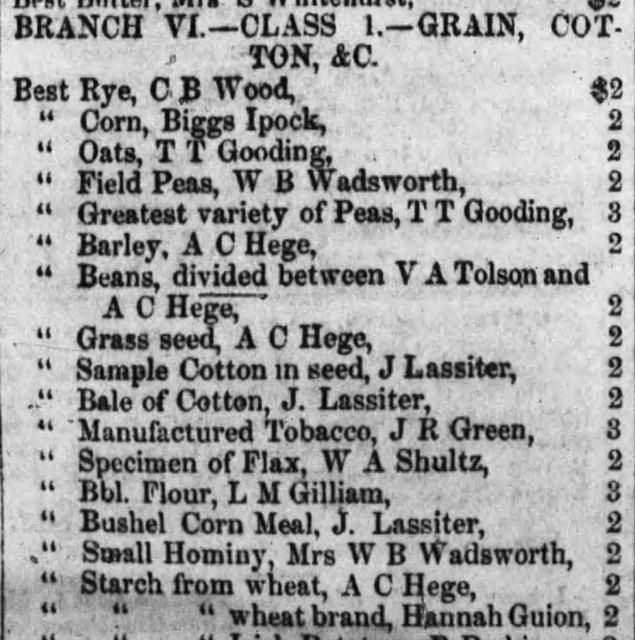
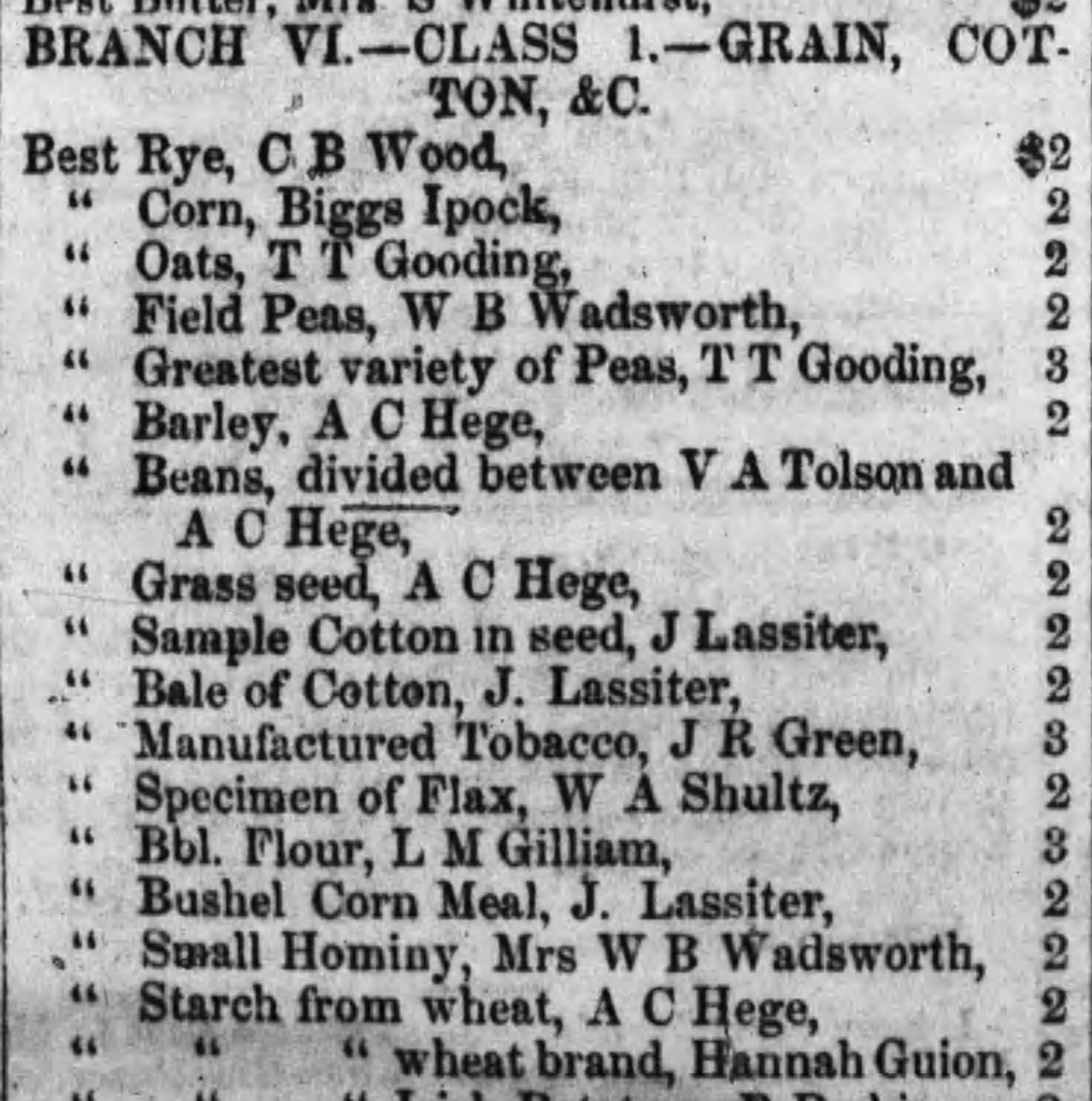
“Starch from Wheat Bran” — Fair Premium, 1860
The New Bern Progress of 6 November 1860 records a $2 agricultural-fair premium to “Hannah Guion” for starch from wheat bran — skill and public recognition attaching to the name on the eve of the war. (See the report's Open Questions on the New Bern–Lincolnton geography.)
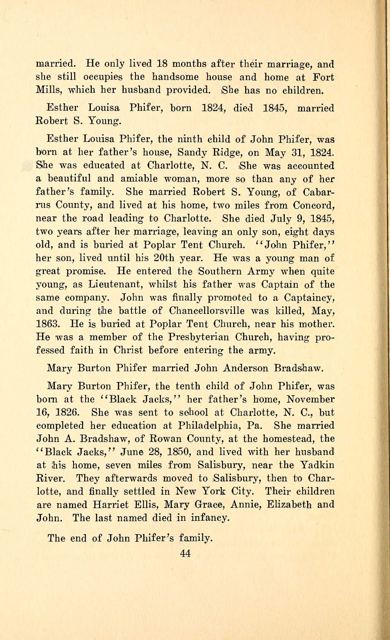
Charlotte, 1870: A Position of Trust
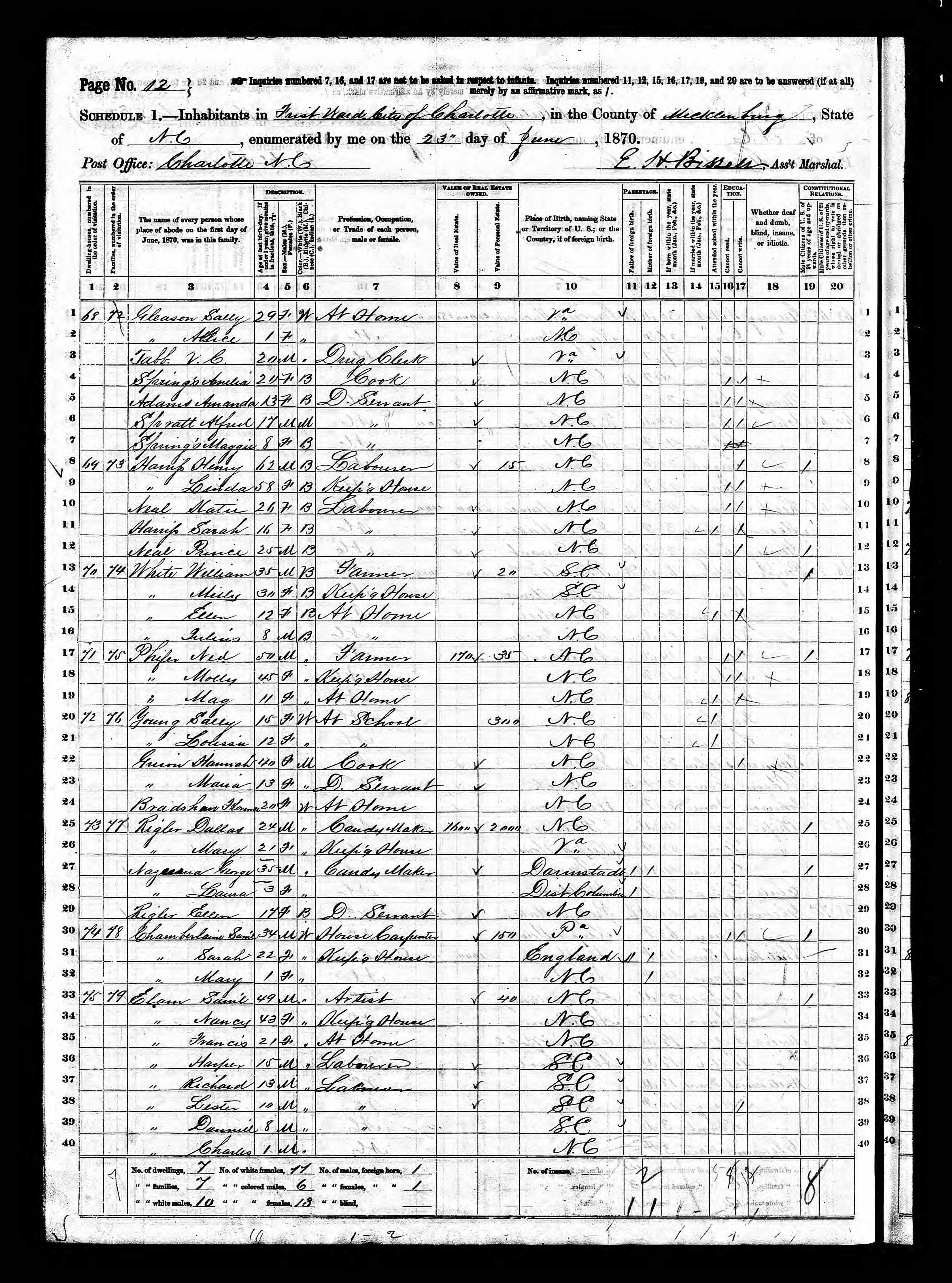
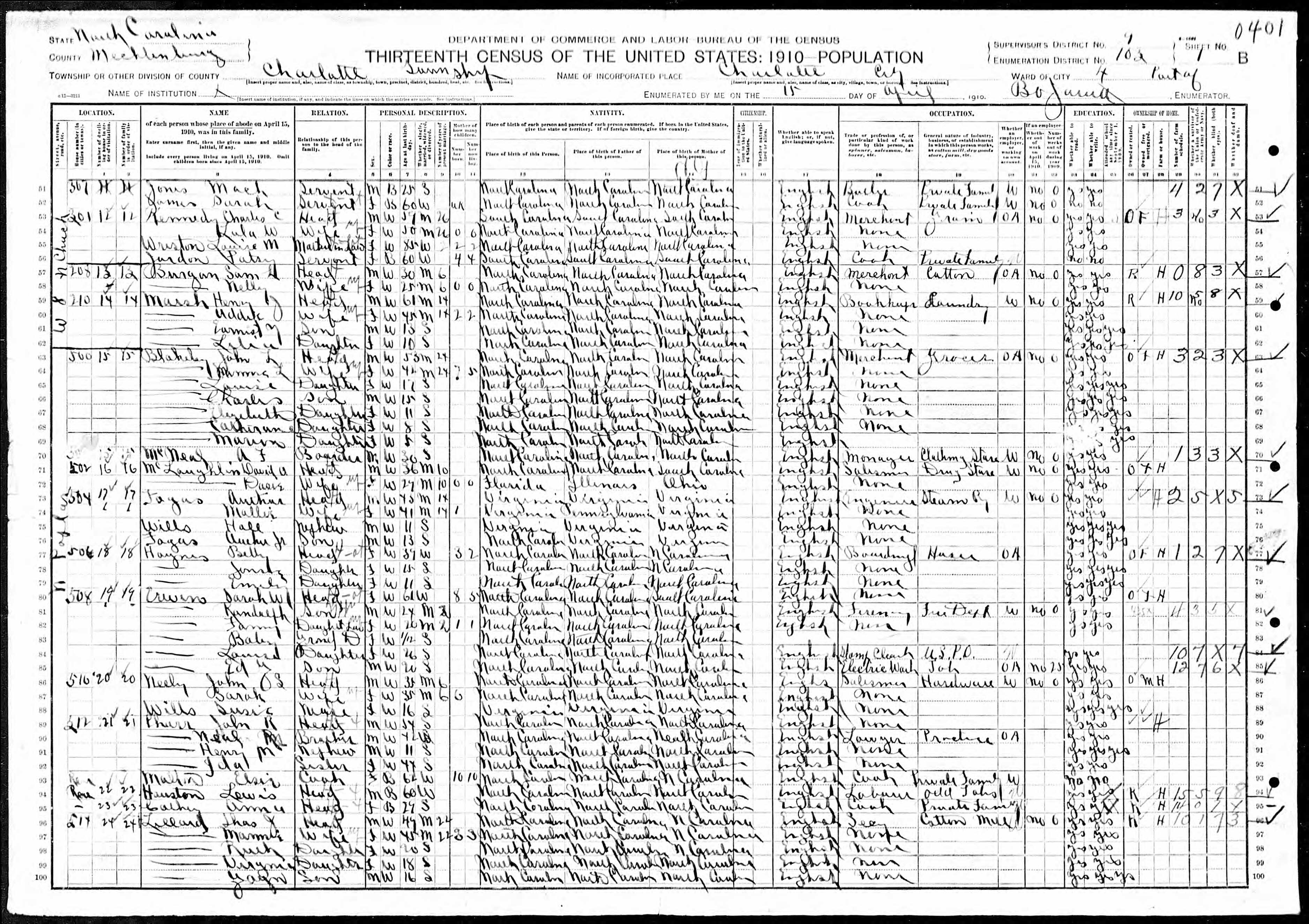
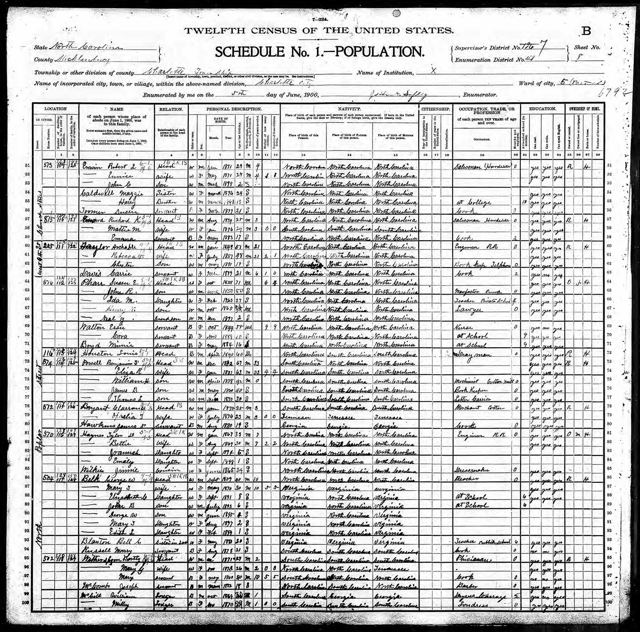
On 23 June 1870 Hannah, 40, cook, was the senior resident adult keeping the school-term household of the Young daughters — the family whose estate papers (the certified Simonton will) lay in Haywood W. Guion's own files, in the city where he lived two wards away. The economical explanation, consistent with every record: Hannah and Maria remained embedded after emancipation in the same white-family network that had held them before it.
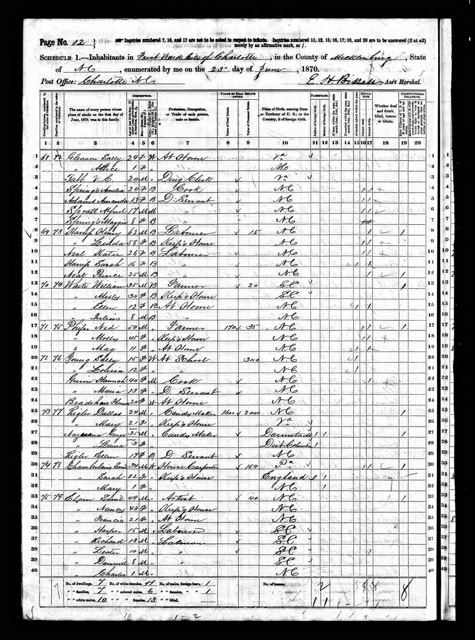
Hannah Guion — 1870 Census, Charlotte First Ward
23 June 1870: Hannah, 40, cook, is the senior resident adult keeping the school-term household of the Young daughters — with her own daughter Maria, 13, beside her. The family whose estate papers lay in Haywood Guion's files.
Evidence Memorandum: The 1870 Charlotte Household
The project's analysis of the Young–Simonton–Guion household: how the certified Simonton will in Haywood Guion's own papers binds Hannah's 1870 position of trust to the network that had held her before emancipation.
Her Daughters: Elsie's Line and the Stewart Name
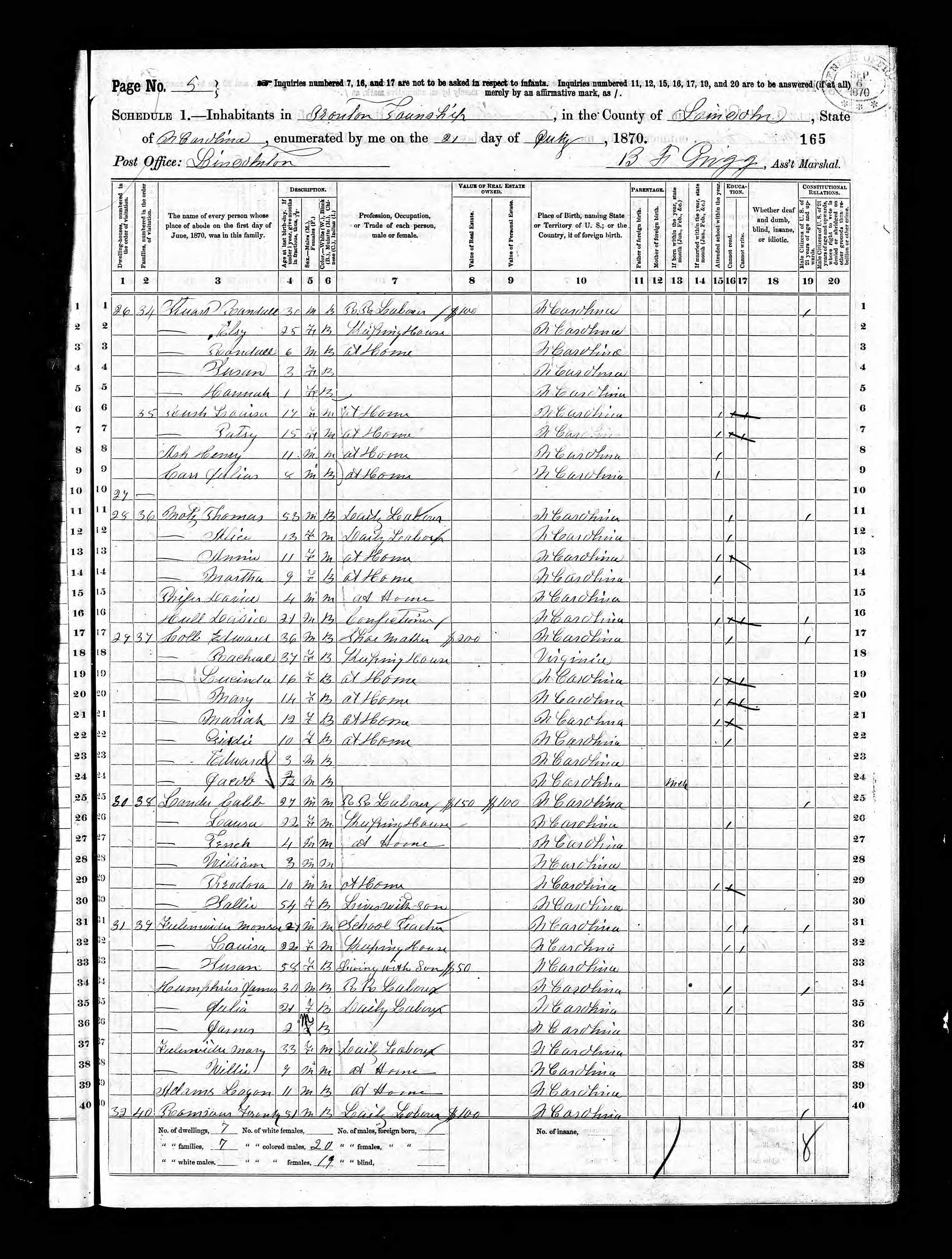
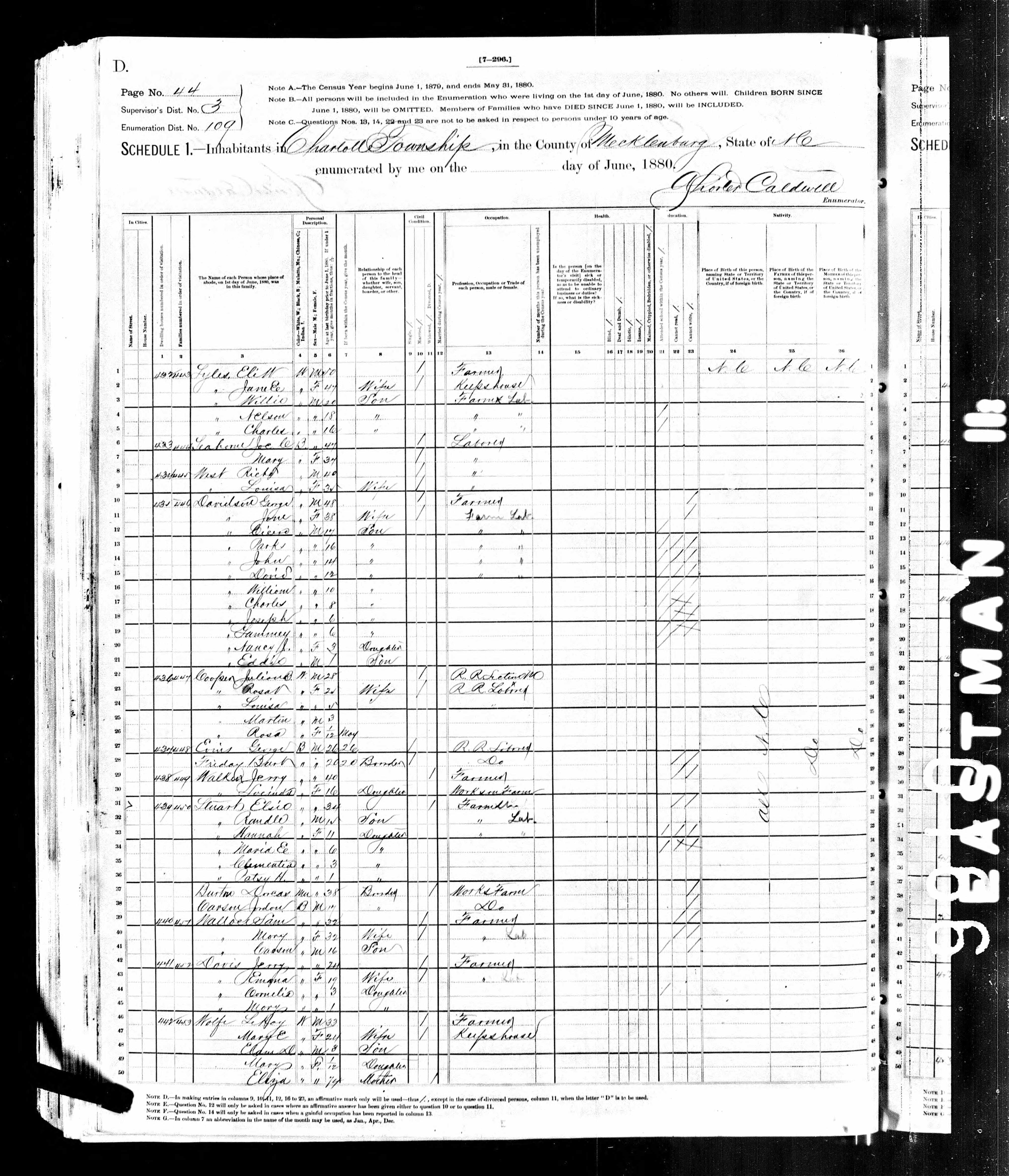
Hannah never married; she was born, lived, and died under the single name Hannah Guion. The Stewart name entered through her elder daughter Elsie, who married Randall Stuart — and it is Elsie's children who carried the Stewart surname onto the land Hannah secured, among them the granddaughter Hannah Guion Stewart, named for the matriarch.
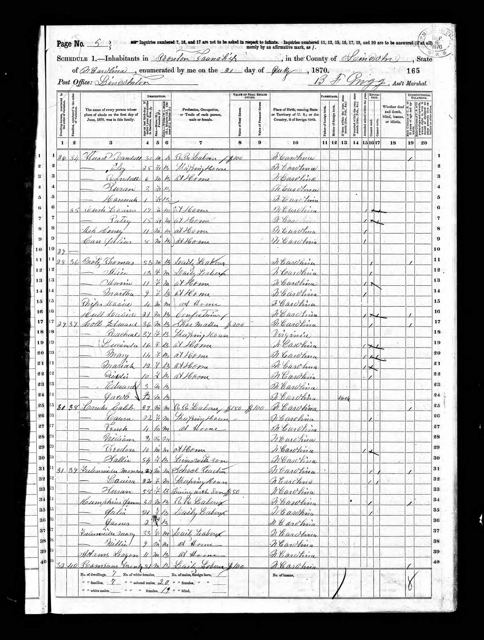
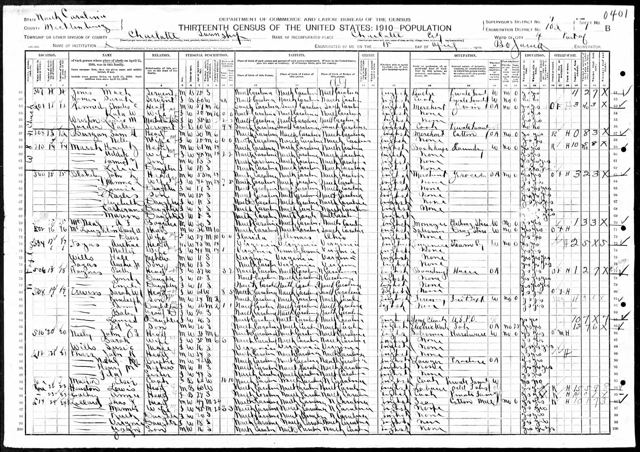
Elsie Stuart — 1870 Census, Lincoln County
21 July 1870, Ironton Township: Hannah's elder daughter Elsie, 25, with husband Randall Stuart, railroad laborer, and children Randall, Susan, and the infant Hannah — the future Hannah Guion Stewart, named for her grandmother. The origin of the family's Stewart surname.
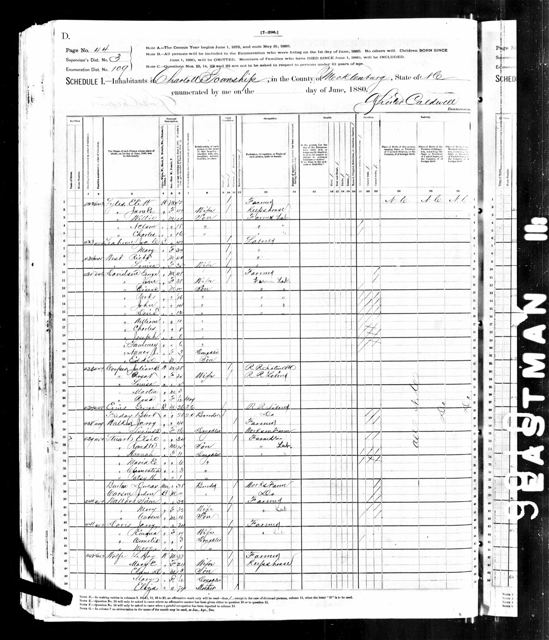
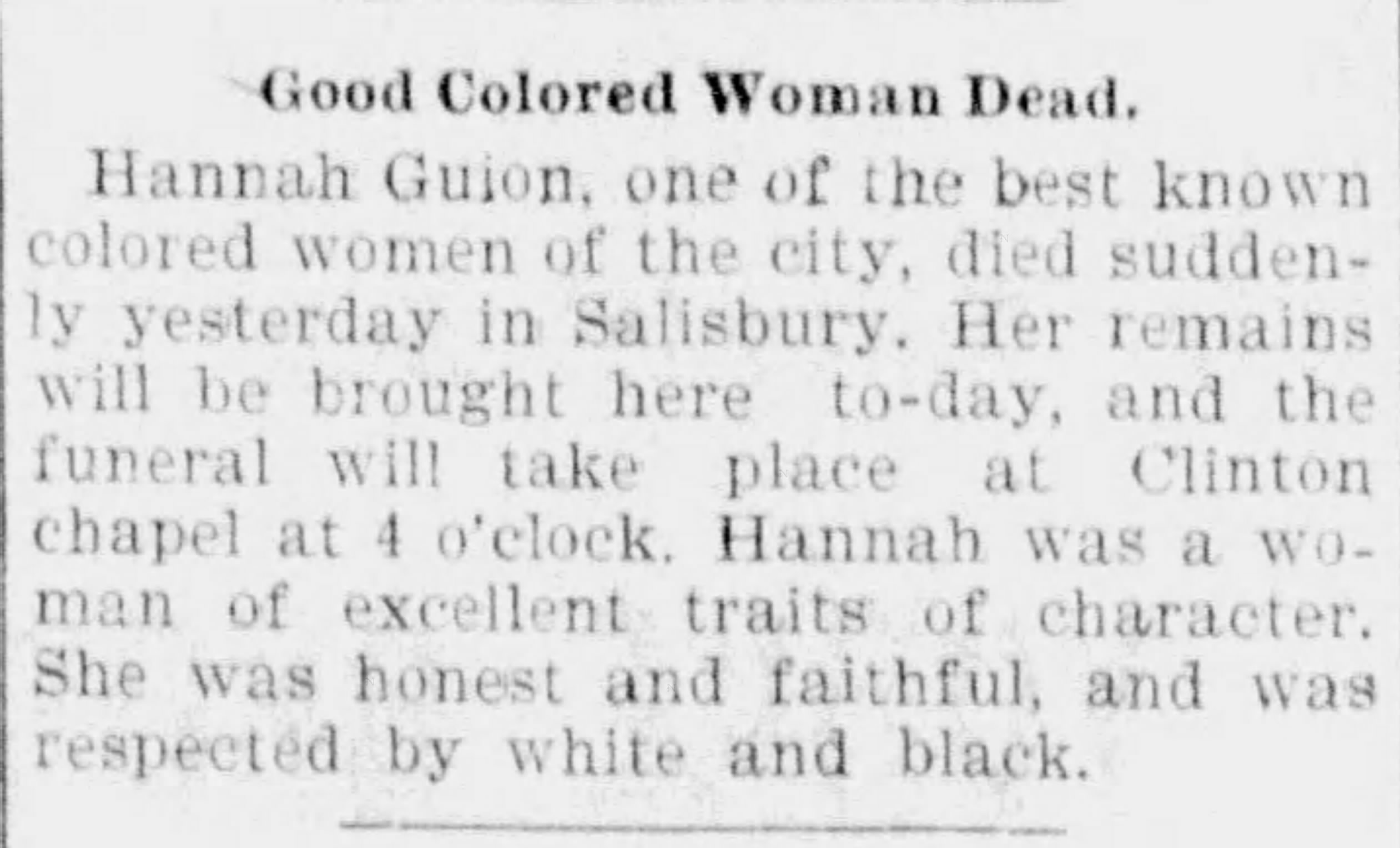
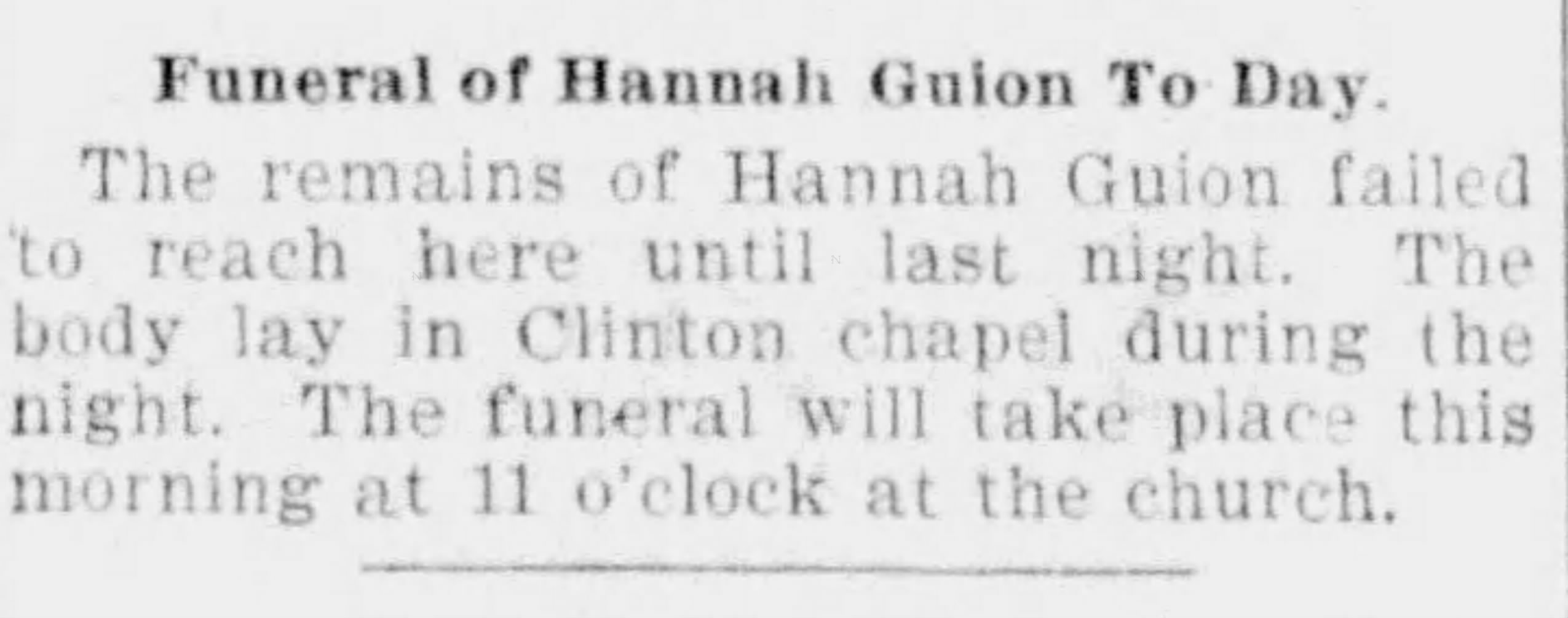
Death, in Her City's Own Words, 1899
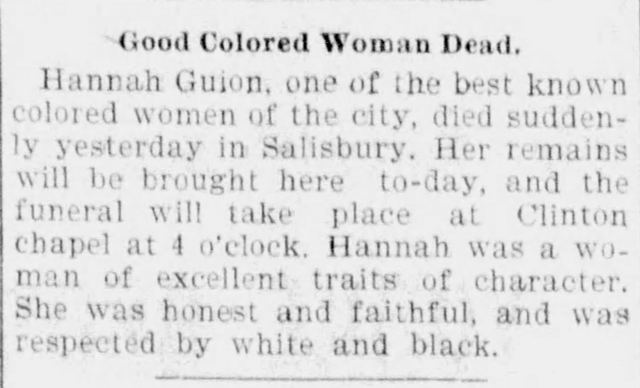
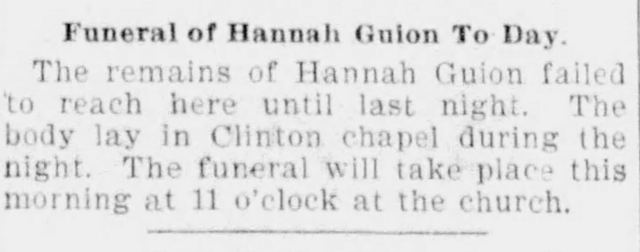
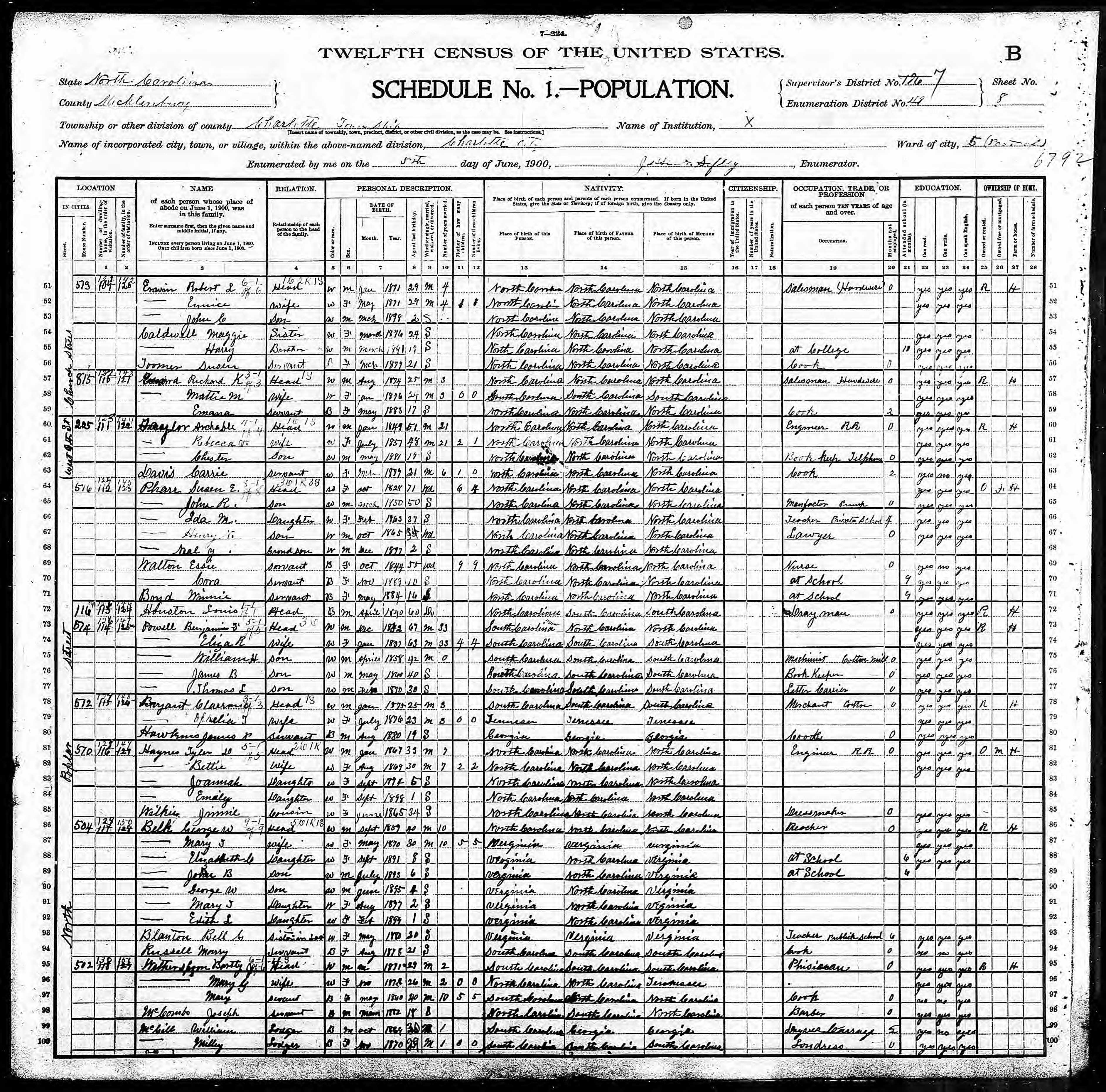
On 17 January 1899 she executed her will (Rowan Will Book G, pp. 214–217): the frame house and 50 feet of Boundary Street in trust for Elsie and her four children; 35 and 34 feet to the granddaughters Clementina and Hannah G. Stewart outright; the Salisbury lots to Maria E. Harris. She died suddenly at Salisbury on 27 April 1899.